
As Ebola in Democratic Republic of the Congo (DRC) declared over, International Federation of Red Cross and Red Crescent Societies (IFRC) calls for investment...
Download logo
Following the Ministry of Health's declaration that the 16th Ebola outbreak in the Democratic Republic of the Congo (DRC) is officially over, the International Federation of Red Cross and Red Crescent Societies (IFRC) is calling for an urgent scale-up of community-based surveillance, stronger infection prevention and control, and long-term investment in local health systems to prevent a resurgence.
IFRC warns that the immediate post-outbreak period remains critical, particularly in communities already strained by cholera, mpox, and fragile health infrastructure. To reduce the risk of flare-ups, the DRC Red Cross, with support from IFRC and other National Societies, focuses on strengthening community-based surveillance to rapidly identify and report unusual illnesses or deaths.
Ariel Kestens, IFRC Head of Country Cluster Delegation in Kinshasa, says:
“Containing an Ebola outbreak is a critical milestone, but the real test begins now. Communities need continued support to detect health threats early. Investing in community-based surveillance, local health workers and stronger systems today is the best protection against potential outbreaks.”
Communities remain central to stopping future flare-ups
DRC Red Cross volunteers were instrumental in containing the outbreak and will remain at the forefront during the post-outbreak phase. Their ongoing work includes early detection, close coordination with local leaders, hygiene promotion, and countering misinformation, a community-driven approach especially vital in remote areas with limited formal health services.
Gregoire Mateso, National President of the DRC Red Cross, says:
“Frontline communities and Red Cross volunteers have once again demonstrated what early action can achieve. However, the cycle of epidemics will continue if there is no long-term investment. It is time to stop retreating and instead strengthen our preparedness based on the lessons learned.”
During the outbreak, the DRC Red Cross conducted 118 safe and dignified burials and deployed more than 500 volunteers trained in epidemic control. Risk communication and community engagement activities reached over 236,000 people, and hygiene promotion and decontamination support benefited more than 78,000 people. The Red Cross also provided psychosocial support to 2,500 people, while national vaccination efforts immunized more than 47,500 individuals, demonstrating the crucial impact of local action in protecting communities.
Need for stronger preparedness
Despite swift containment, the outbreak exposed weaknesses in local health systems, including limited isolation capacity, shortages of protective equipment, and gaps in infection prevention and control. Concurrent cholera and mpox outbreaks further strained resources, while vulnerable groups, especially women, children, and displaced families, faced heightened risks.
These gaps underline the urgency of long-term resilience and stronger community-based preparedness. The IFRC is calling on partners and donors to join efforts in scaling up community-based surveillance, strengthen infection prevention and control, reinforce water, sanitation, and hygiene systems, support and train local volunteers, the first responders in remote areas, and expand psychosocial and protection services.
Distributed by APO Group on behalf of International Federation of Red Cross and Red Crescent Societies (IFRC).Rift Valley Fever in Senegal: On the Frontline to Protect Communities
Download logo
Since September, Senegal has been facing an outbreak of Rift Valley Fever (RVF), a viral disease transmitted by mosquitoes or through contact with infected animals. Affecting both humans and livestock, it spreads mainly in pastoral areas and transhumance zones.
As of November 23, three months after the outbreak was declared, health authorities have reported 500 confirmed human cases, including 457 recoveries and 31 deaths, out of more than 15,400 samples tested. On the animal side, 425 cases have been confirmed among sheep, goats, and cattle, with over 2,000 abortions reported, mainly in the Senegal River Valley. More than 40,000 animals have been vaccinated around outbreak hotspots to curb the spread.
At the heart of this crisis, patients share their experiences. In Kaolack, Diène Ndiaye, a motorcycle taxi driver, recalls: “I thought it was just the flu. The fever spiked suddenly, my head felt heavy, and my eyes were burning. When the health teams carried out screening in my neighborhood, I felt relieved. They tested me, treated me, and reassured me. Today, I tell everyone: take the first signs seriously and use mosquito nets.”
From the first cases, the Ministry of Health and Public Hygiene activated the Health Emergency Operations Center to coordinate the response. With support from the World Health Organization (WHO) and other partners, including the animal and environmental sectors, the “One Health” strategy was implemented to integrate human, animal, and environmental dimensions. This approach enabled rapid resource mobilization, deployment of teams, and continuous, high-quality technical support.
In affected regions, the response translated into concrete actions: strengthened surveillance with rapid case detection, patient care, distribution of medical and laboratory supplies, training, and community awareness. WHO-trained multidisciplinary SURGE rapid response teams were deployed to Saint-Louis, Kaolack, and Fatick to actively search for cases, investigate high-risk areas, and inform communities about the disease. Exchanges with Mauritania and The Gambia helped harmonize cross-border strategies along the Senegal River.
In Golléré, in the north of the country, Aïssatou Sow, a livestock farmer, went through difficult weeks: “Two of my goats aborted in the same week. Then my husband, who had handled the aborted fetuses, developed a high fever. The health teams and veterinary services came within 48 hours, tested us, and took care of him. They explained how to protect ourselves: avoid contact with blood or raw meat, sleep under mosquito nets. Without their visit, the situation could have been much worse.”
Every day, regional teams monitor the evolution of the outbreak using field data and strengthened alert systems. To accelerate the response, WHO deployed several experts to support local teams in quickly identifying technical and organizational challenges. The Organization also provided 850 kg of medical supplies and medicines, enough to treat more than 10,000 patients over four months, and trained 138 health professionals on triage and care protocols. Eleven health facilities were supervised to ensure compliance with standards, particularly in Kaolack, Fatick, and Saint-Louis, where care kits, intravenous solutions, and four tons of medical oxygen were made available.
Dr Boly Diop, Head of the Surveillance Division at the Ministry of Health and Public Hygiene, emphasized that WHO's technical and operational support was crucial in rapidly strengthening epidemiological surveillance, improving investigation quality, and harmonizing detection tools in affected regions. “This support played an essential role in the speed of the response and Senegal's ability to contain the spread of the disease.”
Data show that 70% of human cases involve shepherds, livestock farmers, butchers, and other meat industry workers—professions exposed to infected animals and mosquito bites. The districts of Saint-Louis, Louga, Matam, and Kaolack account for most cases, while Fatick and Tambacounda have seen recent increases. The end of the rainy season, with stagnant water favoring mosquito proliferation, poses an additional challenge. Thanks to cross-sector collaboration, analyses are now faster, supported by the Pasteur Institute of Dakar and the National Livestock and Veterinary Research Laboratory.
For Dr Okou Bisso, Incident Manager at WHO Senegal, collective work is key: “We remain alongside the Government to contain the outbreak. The decline in cases shows that this cooperation strengthens the health system's capacity to protect communities.”
Infection prevention and control also received significant support: more than 200,000 pieces of personal protective equipment (PPE) (masks, gloves, gowns, gels) were provided, along with updated protocols for biomedical waste management. Assessments were conducted in five regions to ensure compliance with standards and refine case definitions, improving early detection.
Risk communication and community engagement proved essential. Over 70 radio broadcasts in local languages were aired, 110 religious leaders relayed prevention messages, and more than 15,300 people—livestock farmers, shepherds, butchers, transporters—were sensitized during direct sessions. SURGE agents also strengthened the skills of 32 journalists to ensure reliable information adapted to local realities.
Three months after the start of the outbreak, efforts have translated into lives protected and communities better informed. In villages and “loumas,” weekly livestock markets, health teams continue their work: explaining warning signs, encouraging rapid case reporting, reminding people to use mosquito nets and avoid contact with sick animals. Each interaction helps reduce transmission and build trust. Attention is also focused on areas not yet affected, where preparedness actions are underway to ensure these regions and districts are ready in case the outbreak spreads.
For Dr Michel Yao, WHO Representative in Senegal, this mobilization is exemplary: “Our priority is to protect communities by strengthening early detection, care, and prevention. The daily commitment of teams shows that by joining forces—human health authorities, animal health sector, environmental experts, partners, and communities—we can reduce the impact of Rift Valley Fever and save lives.”
As for Diène, now fully recovered, he expresses his gratitude: “After those days of fever and pain, I'm relieved to be healthy again. I hope everyone follows the prevention measures.”
Eco-Navitas Alliance Ignites Fresh Momentum in Africa’s Exploration Landscape
Download logo
The African Energy Chamber (AEC) (https://EnergyChamber.org) strongly supports Eco Atlantic's newly announced Strategic Partnership with Navitas Petroleum, which stands to reinvigorate exploration activity across Southern Africa and reinforce investor confidence in the continent's most prospective offshore basins. Signed on December 3, 2025, the framework and option agreements mark a major step forward in aligning financial strength, technical capability and long-term vision to advance high-impact opportunities in South Africa's Orange Basin.
Navitas' initial $2 million payment grants exclusive farm-in options for both Block 1 CBK in South Africa and the Orinduik Block offshore Guyana, underscoring the breadth of the strategic alliance. At Block 1 CBK – where Eco currently holds a 75% operated interest through its subsidiary Azinam South Africa – Navitas' $4 million option, if exercised within the six-month window, would see the company assume operatorship and secure up to a 47.5% working interest. Eco would be fully carried through the exploration work program under a gross $15 million carry.
Block 1 CBK lies within the Orange Basin, one of the most sought-after petroleum frontiers today. Following major discoveries offshore Namibia and renewed momentum on the South African side of the basin, investor appetite is surging. Yet early-stage opportunities still require companies willing to commit real resources, rigorous technical work and operational depth. The AEC views Navitas' willingness to enter as a clear indication of confidence in the basin's long-term potential.
“This partnership is a strong vote of confidence in South Africa's upstream potential. Eco Atlantic has been a committed explorer for more than a decade, and Navitas brings technical excellence and financial capacity that can accelerate drilling and unlock long-awaited exploration activity. This is exactly the type of collaboration Africa needs – bold, well-funded, and focused on execution,” states NJ Ayuk, Executive Chairman of the AEC.
In addition to the direct potential for Block 1 CBK, the agreement includes provisions for Navitas to participate in Eco's broader African portfolio, including a possible 25% stake in PEL97, PEL99 and PEL100 offshore Namibia, as well as in Azinam Limited's Block 3B/4B offshore South Africa. This multi-asset alignment signals a long-term commitment to the continent, ensuring that exploration momentum is sustained across multiple licenses rather than concentrated on a single prospect.
For South Africa, the timing could not be better. The country is seeking to reduce its dependence on imports, stabilize its electricity supply and develop domestic energy value chains. Accelerated upstream activity is essential to achieving these goals. The AEC has repeatedly emphasized that South Africa must convert prospective geology into producing assets, and partnerships like Eco–Navitas are critical pathways toward that outcome.
The Chamber also supports the financial mechanisms built into the partnership. Eco's carry under both the Block 1 CBK Option and the Orinduik Option in Guyana demonstrates a pragmatic approach to risk allocation that enables smaller independents to participate meaningfully in high-impact drilling campaigns. Such structures should be encouraged across the African exploration landscape, as they reduce barriers to entry and strengthen the overall competitiveness of the region's upstream sector.
Eco Atlantic's leadership, including CEO Gil Holzman, has consistently demonstrated unwavering commitment to African frontiers. With Navitas joining as a potential operator, the Orange Basin gains another capable player ready to move assets forward at pace. As the partnership advances, the AEC encourages swift regulatory facilitation to ensure drilling progresses without delay. The continent's energy future depends on ambitious exploration, pragmatic partnerships and a clear commitment to investment, with the Eco–Navitas alliance embodying all three.
Distributed by APO Group on behalf of African Energy Chamber.Ethiopia launched the fourth National Action Plan on Antimicrobial Resistance during World Antimicrobial Resistance Awareness Week (WAAW) 2025 commemoration
Download logo
Ethiopia commemorated World Antimicrobial Resistance Awareness Week (WAAW) 2025 with a high-level national event held at the Africa CDC Headquarters in Addis Ababa, where the Government officially launched the Fourth National Action Plan for the Prevention and Containment of Antimicrobial Resistance (AMR) 2026–2030. The event took place under the global theme “Act Now: Protect Our Present, Secure Our Future.”
Senior leaders from the Ministry of Health, Ministry of Agriculture, and the Environmental Protection Authority joined representatives from WHO, FAO, Africa CDC, UKHSA, and other partners to highlight the urgent need for coordinated action to address AMR through a One Health approach.
In her keynote address, HE Dr Mekdes Daba, Minister of Health, underscored that AMR remains a growing global threat, directly responsible for 1.27 million deaths every year and associated with almost 5 million deaths worldwide. She noted that without decisive action, AMR-related mortality could increase by 70% by 2050, disproportionately affecting low- and middle-income countries.
Reflecting on Ethiopia's progress, the Minister highlighted achievements under the previous AMR plan, including a 59% increase in AMR awareness among healthcare workers, establishment of 26 AMR sentinel surveillance sites, implementation of antimicrobial stewardship programs in 328 health facilities, and strengthened infection prevention and control across the country. She also emphasized remaining gaps, including limited diagnostic capacity, shortages of skilled laboratory personnel, and inadequate regulatory enforcement.
The newly launched National Action Plan (NAP) 4.0 was developed through a rigorous, evidence-informed process, beginning with an end-term evaluation of the previous NAP to identify gaps, achievements, and lessons learned. Based on this assessment, a broad set of interventions was proposed—fully aligned with the Global Action Plan on AMR, informed by other countries' experiences, and guided by WHO's people-centered approach and related global AMR guidance. The SMART Choice prioritization tool was then applied to systematically select the most strategic, feasible, and high-impact interventions across the One Health spectrum. Subsequently, the WHO AMR costing and budgeting tool was used to establish a clear and realistic financial framework. The result is NAP 4.0: a comprehensive, evidence-based, and fully costed five-year plan designed to strengthen AMR surveillance, antimicrobial stewardship, laboratory systems, infection prevention and control, community awareness, and One Health coordination.
Partners, including the World Health Organisation, reaffirmed their commitment to supporting Ethiopia's implementation of NAP 4.0. WHO underscored the importance of sustained collaboration across sectors and pledged continued technical assistance for strengthening national AMR governance, surveillance, diagnostics, capacity building, and risk communication.
The event concluded with a multisectoral panel discussion, where government leaders and partners highlighted sector-specific roles and opportunities to accelerate implementation of the new plan. Participants expressed strong commitment to working together to reduce the burden of AMR and protect the effectiveness of life-saving medicines.
The launch of NAP 4.0 marks a significant milestone in Ethiopia's AMR response and ushers in a new phase of coordinated, evidence-based action to safeguard health, food security, and the environment. WHO remains a committed partner in supporting national efforts to “Act Now” for a safer future.
Distributed by APO Group on behalf of World Health Organization (WHO) - Ethiopia.African Development Bank Group-funded fisheries programme impacts two million people, drives economic transformation in 16 Southern African Development Community (SADC) countries
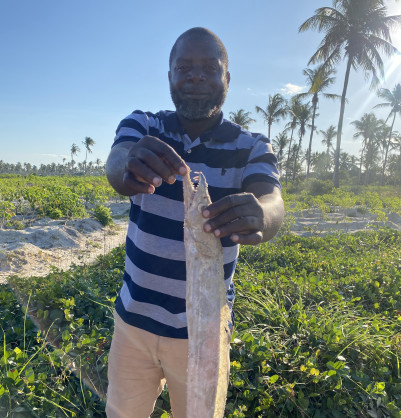
A regional initiative that has overhauled aquatic resource management and boosted cross-border fish trade is now improving the lives of nearly three million people across Southern Africa —raising fish production, consumption, and incomes.
The Program for Improving Fisheries Governance and Blue Economy Trade Corridors (PROFISHBLUE) (https://apo-opa.co/3Y8pOgL) has generated cross-border trade volumes exceeding 500,000 tonnes over the past four years, creating employment, strengthening food security, and building climate resilience across 16 SADC member states.
The initiative has built capacity for over 250,000 beneficiaries across seven African Development Fund (ADF) countries (Democratic Republic of Congo, Madagascar, Malawi, Mozambique, Tanzania, Zambia, and Zimbabwe) through various trainings, knowledge transfer programs, fish quality assurance equipment and tools, and refrigerated transport vehicles.
Training covered multiple areas, including fish value chain and post-harvest utilisation, business development and SME incubation, genetic improvement programs for endemic tilapia species, common standards and policy harmonization in collaboration with bureaus of standards and customs officers, nutrition and fish product development, and blue economy investment planning and financing mechanisms.
Further support was provided for fish stock assessments on transboundary lakes, vessel monitoring systems to deter illegal fishing, and training vessel inspection and fish catch statistics.
On World Fisheries Day on 21 November, the Southern African Development Community (SADC), the African Development Bank Group, and strategic partners gathered in Gaborone to celebrate these achievements and showcase how the project has transformed fish value chains and local consumer markets since its inception in 2022.
The $9.2 million grant initiative, funded through the African Development Bank's ADF 15, has successfully facilitated regional integration and economic development by improving fisheries governance and establishing sustainable blue economy trade corridors.
This year's World Fisheries Day aligned closely with PROFISHBLUE's multi-level governance and community-centered approach and measurable impact on fisheries communities throughout Southern Africa.
The gathering brought together government officials, development partners, private-sector representatives, and civil society stakeholders to chart a path forward for sustainable fisheries development in the region.
Transformative Impact Across the Region
"We are indebted to the African Development Bank Group for providing funding to implement this project within the Blue Economy space," said Director Domingos Gove on behalf of Angele Makombo Ntumba, SADC Deputy Secretary for Regional Integration. "This support has demonstrated our capacity to improve aquatic food systems for the benefit of over 380 million people in the region."
The project has successfully demonstrated that fishery resources can be managed sustainably, equitably, and resiliently in the face of climate change and external shocks.
"The PROFISHBLUE project has shown best practices in regional integration of blue economy trade corridors and cross-border fish trade," stated Neeraj Vij, African Development Bank's Regional Sector Manager for Feed Africa Operations for Southern Africa. "About 3 billion people rely on global supply chains for aquatic-sourced food, contributing $300 billion annually to the global economy. This project demonstrates how strategic investment in fisheries governance can create competitive value chains that provide jobs and livelihoods while eradicating extreme poverty, especially in rural areas."
Vij reaffirmed the African Development Bank Group's commitment to expanding support for blue economy initiatives across SADC Member States.
Key implementing partners include the Food and Agriculture Organization (FAO), the United Nations Industrial Development Organization (UNIDO), the Worldwide Fund for Nature (WWF), WorldFish, and the African Organization for Standardization (ARSO).
Director of Fisheries and Apiculture in Botswana's Ministry of Lands and Agriculture, Kagisanyo Bedi, commended the initiative for creating a crucial platform for learning and exchange of ideas among regional stakeholders in the region.
The celebration featured testimonials from women in fisheries who shared how the project has enhanced their livelihoods, underscoring the project's inclusive development approach.
"We embarked on an investment journey that few smallholder entrepreneurs would consider piloting technology in seaweed farming. We appreciate the opportunity..." said Hifadhi Hai, a project participant from Tanzania.
"This was echoed by a fish processor, Tamala Mtambo of the Twiyule Fish Cooperative, Malawi: "ProFishBlue supported us to turn fish processing into progress."
Distributed by APO Group on behalf of African Development Bank Group (AfDB).Media Contact:
Emeka Anuforo
Communication and External Relations Department
media@afdb.org
About the African Development Bank Group:
The African Development Bank Group is Africa's premier development finance institution. It comprises three distinct entities: the African Development Bank (AfDB), the African Development Fund (ADF) and the Nigeria Trust Fund (NTF). On the ground in 41 African countries with an external office in Japan, the Bank contributes to the economic development and the social progress of its 54 regional member states. For more information: www.AfDB.org
AfrInnovate Youth Challenge 3rd Edition Crowns Tanzania’s SkyVerse Solutions as Champion in Abuja, Nigeria
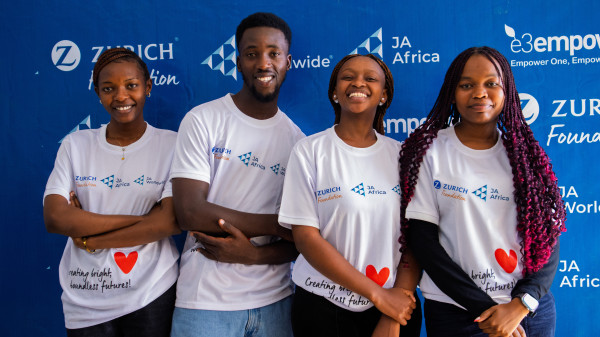
Junior Achievement (JA) Africa (https://JA-Africa.org), in partnership with the Z Zurich Foundation and JA Worldwide, proudly concludes the third edition of the AfrInnovate Youth Challenge (AYC), a platform showcasing the creativity and resilience of Africa's youth. This year's event celebrated young innovators who are redefining inclusion and sustainability through purpose-driven enterprises.
After an inspiring showcase of ingenuity and impact-driven pitches, SkyVerse Solutions from Tanzania emerged as 1st Place winner with their mechanized post-harvest groundnut processing solution designed to increase yields and farmer income.
AgriCool Solar Chamber from Uganda claimed 2nd Place, recognized for delivering affordable, solar-powered cold storage that reduces food spoilage and boosts farmers' profits.
In 3rd Place, CaliFem from Côte d'Ivoire and Ecobrick Togo tied for their outstanding innovations: CaliFem for transforming marine waste into sustainable calcium powder, creating jobs for women, and Ecobrick Togo for converting plastic waste into eco-friendly construction materials.
Special honors went to SolAir from Burkina Faso, which received the Innovation Award for its smart, solar-powered irrigation system, and Ecobricks Liberia, which earned the Impact Award for empowering rehabilitated youth through green employment.
“The AfrInnovate Youth Challenge is a powerful reminder that when marginalized young Africans are given access to knowledge, mentorship, and opportunity, they reinvent Africa's economy,” said Simi Nwogugu, President & CEO of JA Africa. “These young innovators are designing scalable solutions that address real-world challenges while proving that inclusion is the foundation of sustainable growth.”
“At the Z Zurich Foundation, we believe that empowering youth is one of the most meaningful ways to build resilience in societies,” added Gregory Renand, Head of the Z Zurich Foundation. “Through our partnership with JA Africa, we are investing in young entrepreneurs whose ideas are creating tangible, lasting impact.”
The JA Africa AYC event is the celebration of social entrepreneurship presented by the JA Social Equity Program, a cross-cutting entrepreneurship, financial literacy, and work-readiness program for underserved young people aged 16–25 who might not be in education, entrepreneurship, or training. This program provides hands-on experience and mentoring for starting and managing social enterprises or businesses that solve local community problems. The youth participating in this program collaborate to bring about change in themselves and their communities.
Since its inception, with the support of the Z Zurich Foundation, the program has reached over 150,000 youth across nine African countries, catalyzing more than 7,000 youth-led social enterprises that address local challenges in climate resilience, education access, gender equity, and sustainable development.
Distributed by APO Group on behalf of Junior Achievement (JA) Africa.Media Contact:
Ellen Ukpi
Director, Marketing and Communications
ellen.ukpi@ja-africa.org
JA Africa:
Junior Achievement (JA) Africa is one of the continent's largest youth-serving NGOs, reaching more than 1.5 million young people annually across 23 countries. The organization equips youth with the skills to thrive in the global economy through programs in entrepreneurship, work readiness, and financial health.
https://JA-Africa.org
About Z Zurich Foundation:
The Z Zurich Foundation is a charitable foundation that supports projects aimed at building community resilience and advancing social equity worldwide. Through initiatives such as the JA Social Equity Program, the Foundation helps marginalized youth gain the skills and confidence to drive inclusive and sustainable change.