
Tag: Industrial
Become a member
Get the best offers and updates relating to Liberty Case News.
Nigeria Champions African-Arab Trade to Boost Agribusiness, Industrial Growth

The Arab Africa Trade Bridges (AATB) Program and the Federal Republic of Nigeria formalized a partnership with the signing of the AATB Membership Agreement, officially welcoming Nigeria as the Program's newest member country. The signing ceremony took place in Abuja on the sidelines of the 5th AATB Board of Governors Meeting, hosted by the Federal Government of Nigeria.
The Membership Agreement was signed by Eng. Adeeb Y. Al Aama, the CEO of the International Islamic Trade Finance Corporation (ITFC) and AATB Program Secretary General, and H.E. Mr. Wale Edun, Minister of Finance and Coordinating Minister of the Economy, Federal Republic of Nigeria. The Agreement will provide a strategic and operational framework to support Nigeria's efforts in trade competitiveness, promote export diversification, strengthen priority value chains, and advance capacity-building efforts in line with national development priorities. Areas of collaboration will include trade promotion, agribusiness modernization, SME development, businessmen missions, trade facilitation, logistics efficiency, and digital trade readiness.
The Honourable Minister of Finance and Coordinating Minister of the Economy, Mr. Wale Edun, called for deeper trade collaboration between African and Arab nations, stressing the importance of value-added Agribusiness and industrial partnerships for regional growth. Speaking in Abuja at the Agribusiness Matchmaking Forum ahead of the AATB Board of Governors Meeting, the Minister said the shifting global economy makes it essential for African and Arab nations to rely more on regional cooperation, investment and shared markets.
He highlighted projections showing Arab-Africa trade could grow by more than US$37 billion in the next three years and urged partners to prioritize value addition rather than raw commodity exports. He noted that Nigeria's growing industrial base and upcoming National Single Window reforms will support efficiency, investment and private-sector expansion.
“This is a moment to turn opportunity into action”, he said. “By working together, we can build stronger value chains, create jobs and support prosperity across our regions”, Edun emphasized. “As African and Arab nations embark on this journey of deeper trade collaboration, the potential for growth and development is vast. With a shared vision and commitment to value-added partnerships, we can unlock new opportunities, drive economic growth, and create a brighter future for our people.”
Speaking during the event, Eng. Adeeb Y. Al Aama, Chief Executive Officer of ITFC and Secretary General of the AATB Program, stated: “We are pleased to welcome Nigeria to be part of the AATB Program. Nigeria stands as one of Africa's most dynamic and resilient economies in Africa, with a rapidly expanding private sector and strong potential across agribusiness, energy, manufacturing, and digital industries. Through this Membership Agreement, we look forward to collaborating closely with Nigerian institutions to strengthen value chains, expand regional market access, enhance trade finance and investment opportunities, and support the country's development priorities.”
The signing of this Agreement underscores AATB's continued engagement with African countries and its evolving portfolio of programs supporting trade and investment. In recent years, AATB has worked on initiatives across agribusiness, textiles, logistics, digital trade, export readiness under the AfCFTA framework, and other regional initiatives such as the Common African Agro-Parks (CAAPs) Programme.
With Nigeria's accession, the AATB Program extends it's presence in the region and adds a key partner working toward advancing trade-led development and fostering inclusive economic growth.
Distributed by APO Group on behalf of The Arab Africa Trade Bridges Program (AATB).Contact us:
E-mail: aatb@itfc-idb.org
Social Media:
Twitter: @ aatb_program
Facebook: @ aatbprogram
About the Arab-Africa Trade Bridges (AATB) Program:
The AATB Program is a multi-donor, multi-country, and multi-organizations program supported by the African Export-Import Bank (Afreximbank), Arab Bank for Economic Development in Africa (BADEA), Islamic Development Bank, the International Islamic Trade Finance Corporation (ITFC) The Islamic Corporation for the Insurance of Investment and Export Credit (ICIEC) and The Islamic Corporation for the Development of the Private Sector (ICD). The Program aims to promote and increase trade and investment flows between African and Arab OIC member countries; provide and support trade finance and export credit insurance and enhance existing capacity-building tools relating to trade. The Program specifically focuses on supporting the key sectors of agriculture and related industries including textiles; the health industry including pharmaceuticals; infrastructure and transport; and petrochemicals, construction material, and technology.
Artificial Intelligence (AI)-powered water management research and development (R&D) to strengthen water security in South Africa

A leader in industrial automation and digital transformation solutions for over 30 years, Adroit Technologies (https://AdroitSCADA.com/) is advancing its cutting-edge research and development (R&D) into an AI-powered Water Management Platform, designed to tackle one of South Africa's most urgent infrastructure challenges: non-revenue water losses.
The R&D presents an opportunity to develop a first if its kind, AI-driven ‘pseudo-metering' capability, a potential breakthrough feature that can infer consumption and pressure data in areas where physical meters are not installed. “We have proven the initial concept and have now secured the support of the government and other industry leaders to develop this AI-driven platform, confirms Frits Kok, Co-CEO at Adroit Technologies.
With nearly 40% of the country's treated water lost to leaks, theft, and ageing infrastructure, Adroit Technologies is exploring new ways to enhance intelligent, data-driven water management. Using advanced machine learning (ML) and neural network algorithms, the research platform can analyse existing telemetry and SCADA data to detect leaks, forecast demand, and infer flow rates in areas without sensors, paving the way for more efficient, transparent municipal water systems in the future.
“South Africa's water infrastructure challenges demand smarter, data-driven solutions,” stresses Kok. “Our current R&D is focused on developing next-generation AI capabilities that will, in time, complement our existing water management technologies, which are already helping utilities reduce water losses and make informed operational decisions today.”
Addressing a National Challenge
Urban growth, vandalism, and limited monitoring capacity have severely strained South Africa's water systems. In many municipalities, leaks and pump failures are discovered only after outages occur.
Adroit Technologies' ongoing research aims to integrate new AI tools seamlessly with existing SCADA and telemetry systems to deliver predictive analytics, real-time alerts, and actionable insights, helping engineers identify hidden losses and optimise operations before crises arise.
The AI-driven ‘pseudo-metering' can infer consumption and pressure data where physical meters are missing or damaged. This innovation has the potential to help under-resourced municipalities monitor network conditions that were previously ‘data blind.'
Research with Real-World Impact
Adroit Technologies' current research is focused on developing a scalable, national-level AI framework that leverages forecasting, anomaly detection, and digital twin modelling to enhance decision-making and support more efficient water use.
A hybrid neural network architecture (CNN-LSTM) and self-healing data middleware are being designed to operate effectively even with incomplete or delayed data, a common challenge across South Africa's municipalities.
“This research is about enabling resilience,” adds Hugo Pienaar, Director of Digital Services at Adroit Technologies. “By combining AI with decades of SCADA expertise, we are helping municipalities envision how to predict issues before they happen and manage scarce water resources more efficiently.”
A Smarter, Sustainable Future
While Adroit Technologies continues to its R&D into AI-powered water management capabilities, the company already offers a proven suite of water management and SCADA solutions that empower utilities to detect leaks, optimise assets, and improve operational efficiency.
As the R&D programme progresses, these new AI capabilities will be introduced into Adroit's product range, ensuring that customers can benefit from the latest innovations in predictive maintenance, data analytics, and infrastructure optimisation, all designed to strengthen South Africa's water security and sustainability.
Distributed by APO Group on behalf of Adroit Technologies.Browse the NGAGE Media Zone for more client news articles and photographs at https://Media.NGAGE.co.za/.
Adroit Technologies Contact:
Dave Wibberley
Phone: 011 65 88100
Email: DaveW@adroit.co.za
Media Contact:
Andile Mbethe
Account Executive
NGAGE Public Relations
Phone: (011) 867-7763
Cell: 073 565 6536
Email: andile@ngage.co.za
Web: https://NGAGE.co.za
About Adroit Technologies:
Adroit Technologies is a trusted industrial software and digital solutions partner with over 35 000 installations worldwide. Backed by Mitsubishi Electric and operating as co-developer of the Mitsubishi Adroit Process Suite (MAPS), Adroit serves customers in more than 40 countries across six continents. The company specialises in SCADA systems, industrial automation, digital transformation, cybersecurity compliance, and analytics solutions for mining, water, energy, and manufacturing industries.
Website: https://AdroitSCADA.com/
Angola Launches New Gas Consortium (NGC) Project, Unlocking New Era of Non-Associated Gas Development
Download logo
Angola has officially launched its first dedicated non-associated gas project, the New Gas Consortium (NGC) Gas Treatment Plant in Soyo, marking a major milestone for the country's energy sector. Commissioned in November 2025, the onshore facility processes around 400 million standard cubic feet of gas per day and 20,000 barrels of condensate, sourced from the offshore Quiluma and Maboqueiro fields. The project represents a significant shift for Angola, moving beyond its historical reliance on oil and tapping standalone gas resources that can support a more diversified and resilient energy economy.
The African Energy Chamber (AEC) – as the voice of the African energy sector – strongly welcomes this achievement, viewing it as a transformative step for Angola and the continent. By developing non-associated gas, Angola is reducing its historical reliance on oil, creating jobs, building local skills and establishing a reliable supply of cleaner power. Thousands of Angolans were mobilized during construction and commissioning, with over 4,500 employed at the peak of activity and another 1,200 involved in fabrication and infrastructure, demonstrating how energy projects can deliver direct, tangible benefits to communities.
Gas from the Soyo plant feeds directly into the Angola LNG facility, supporting both exports and domestic power generation, as well as future industrial projects such as fertilizer production for agriculture. Operated by Azule Energy – a 50:50 joint venture between energy majors bp and Eni – alongside Cabinda Gulf Oil Company, Sonangol E&P and TotalEnergies, the $4 billion project reached full operations six months ahead of schedule, demonstrating efficiency, strong project management and Angola's growing capability to delivery large-scale, complex energy infrastructure.
The NGC project also strengthens Angola's position in the global natural gas market. Unlike associated gas produced alongside oil, non-associated gas is a standalone resource, offering long-term industrial and economic advantages while supporting cleaner energy production. The momentum in the country's gas sector continues with the recent discovery at the Gajajeira-01 exploration well in offshore Block 1/14. Announced in July 2025, this was the first dedicated gas exploration well in Angola and has revealed potential gas volumes exceeding 1 trillion cubic feet, along with up to 100 million barrels of condensate. Operated by Azule Energy with partners Equinor, Sonangol E&P and Acrep S.A., the discovery confirms the enormous potential of the Lower Congo Basin and underscores the value of Angola's non-associated gas strategy.
“Non-associated gas deposits guarantee additional production rather than relying solely on the gas that is associated with oil. The benefits are significant, as gas is in great demand in the international market, is less polluting than diesel and offers a competitive price. We believe that other developments like this will come along, which is promising for the Angolan people and the national economy,” stated Angola's President João Lourenço.
Echoing the President's enthusiasm for gas development in the country, Angola's Minister of Mineral Resources, Oil and Gas Diamantino Azevedo added that, “This is the first non-associated natural gas treatment production project in Angola. […] Angola established a modern, competitive and attractive legal and fiscal regime for the development of gas not associated with oil, definitively opening the door to structuring projects like this.”
For the AEC, the Soyo plant is a clear example of how Africa can take control of its energy future, executing complex projects efficiently while creating economic and social value. It highlights the continent's ability to responsibly develop its resources, deliver energy security and open new avenues for industrialization and sustainable growth. The Chamber applauds Angola, Azule Energy and all partners involved for achieving this milestone and setting a benchmark for non-associated gas development in Africa.
“Angola's first non-associated gas project marks a decisive moment for the country's energy future. It shows what is possible when bold leadership, strong partnerships and investor confidence align. This development will unlock new value, drive industrial growth and position Angola as a competitive force in Africa's evolving gas market,” states NJ Ayuk, Executive Chairman, AEC.
Distributed by APO Group on behalf of African Energy Chamber.Actis, Trade Development Bank (TDB) and Performances Group Join MSGBC Oil, Gas & Power 2025

As major energy projects advance across the MSGBC region, nations are gearing up for the next phase of development. The upcoming MSGBC Oil, Gas & Power 2025 conference and exhibition – taking place in Dakar from December 8-10 – will not only showcase emerging opportunities but connect global finance to regional projects. Key executives from across Africa's investment, financial services and infrastructure space will participate at the event, underscoring renewed confidence in MSGBC energy opportunities.
Speakers include Sadio Wade, Vice President of Energy Infrastructure at Actis; Antoine John Esther, COO-West and Central Africa at the Trade Development Bank (TDB); and Aïda Mbaye, Senior Manager-Strategy, Performance Group. Their participation highlights MSGBC Oil, Gas & Power 2025's role as the premier forum for investment, partnership and project development in the region and is expected to unlock new opportunities for strengthened capital expenditure and partnerships.
Explore opportunities, foster partnerships and stay at the forefront of the MSGBC region's oil, gas and power sector. Visit www.MSGBCOilGasAndPower.com to secure your participation at the MSGBC Oil, Gas & Power 2025 conference. To sponsor or participate as a delegate, please contact sales@energycapitalpower.com.
TDB recently advanced several initiatives to drive capital towards Africa's frontier oil and gas markets. In October, the financial institution partnered with the Angola Sovereign Wealth Fund to create the Angola Export and Trade Development Facility, mobilizing capital for strategic sectors including logistics, agro-industry and regional integration. Operating in eastern and southern Africa, TDB plays a critical role in fostering trade, regional integration and sustainable development through the provision of trade finance, project and infrastructure finance, asset management and business advisory services. In April 2024, the bank signed a MoU to foster collaboration in the financing of trade and development in Senegal. The agreement establishes a framework for encouraging collaboration and sustainable economic growth in energy, infrastructure, healthcare, education, financial institutions, agriculture and food security.
Meanwhile, Actis has been a key player in renewable energy in the MSGBC region. Through its former portfolio company Lekela Power, Actis developed the 159 MW Taiba N'Diaye wind farm in Senegal, which reached full commercial operation in 2021 and now supplies electricity to more than two million people. Actis successfully exited Lekela in March 2023, transferring ownership to Infinity Power, while maintaining its focus on sustainable infrastructure investment and long-term development in the region.
Performances Group supports energy and infrastructure projects across the MSGBC region with strategic, operational and project performance services. The company works closely with local stakeholders to optimize management, investment efficiency, improve operational delivery and support infrastructure and industrial development within complex regional markets.
“Actis, TDB and Performances Group continue to demonstrate leadership in advancing energy and infrastructure development across the MSGBC region and we are pleased to welcome Sadio Wade, Antoine John Esther and Aïda Mbaye to this year's program,” states Sandra Jeque, Events and Project Director, Energy Capital & Power.
Distributed by APO Group on behalf of Energy Capital & Power.Uganda Elected to Unido Industrial Development Board (IDB) 2025- 2027
Download logo
Uganda has been elected to the Industrial Development Board (IDB) of the United Nations Industrial Development Organization (UNIDO) for the period 2025- 2027 at elections conducted during the 21st UNIDO General Conference held in Riyadh, Saudi Arabia from 23rd to 27th November 2025.
The Industrial Development Board is composed of 53 Members and is responsible for reviewing implementation of UNIDO's work programme, the regular and operational budgets, and makes recommendations to the General Conference on policy matters, including the appointment of the Director-General. Uganda's Delegation to the General Conference was led by H.E. Isaac Sebulime, Ambassador of the Republic of Uganda to the Kingdom of Saudi Arabia and comprised of officials from the Uganda Permanent Mission in Vienna and the Ministry of Trade, Industry and Cooperatives.
In his address to the General Conference, Amb. Sebulime commended UNIDO for promoting inclusive and sustainable industrial development worldwide. He noted that Uganda is particularly interested in accelerating the country's national development agenda by using UNIDO's expertise in transformative partnerships, knowledge transfer, and agro-industrialization. ‘Uganda's focus on promoting innovation, improving productivity, and increasing the level of value addition from primary processing of raw materials to secondary and tertiary manufacturing of medium to high technology products for exports, aligns closely with UNIDO's mission', he added.
According to UNIDO, 125 million people worldwide depend on coffee for their livelihoods. Uganda is currently one of five countries (Uganda, Kenya, Malawi, Ethiopia, Tanzania) earmarked to receive assistance in the coffee value chain development through the UNIDO-Italy programme for Advancing Climate-Resilience and Transformation in African Coffee (ACT). The programme worth €15 million is aimed at improving the lives of the people at the beginning of the coffee supply chain by providing better jobs and better incomes for families and communities. The General Conference was held as the Global Industry Summit under 3 key thematic areas, namely: Investment and Partnership; Women and Empowerment; and Generation Future. The Session on Women Empowerment focused on the essential role women play in the economy and industry, and the importance of equal rights, equal access to education, training and finance, and equal opportunities in the workplace and in professional life.
Delivering the Key note address, Her Highness Princess Mashael Saud Al-Shalaan, founder of AEON Collective, highlighted the fast progress that has been made in Saudi Arabia's development and the significant progress made in providing equal opportunities for women - from equal pay to more female participation in STEM education. She emphasized that both equality and gender equity should be at the heart of industrial policy and called upon governments to truly listen to women's voices, ‘to understand their needs, recognize the barriers they confront, and support them in rewriting those stories - keeping what empowers them and changing what holds them back'.
During the General Conference, Nature Bio Foods, an Indian Company with operations in Uganda was announced winner of the UNIDO One World Sustainability Awards under the Category of Sustainable Supply Chains. The Award was received by Mr. Amit Singh, Sustainability Lead, who noted that one cannot talk about sustainability without talking about agriculture. Therefore, sustainability is about ‘how to increase the income of the farmers, how to reduce the cost of cultivation, and how take the farmers to the stage where they can grow and prosper.'
Nature Bio Foods is a Subsidiary of LT Foods, which is headquartered in India. The company opened a processing plant in Uganda in 2023 and is currently working with 16000 farmers involved in the production of soyabean, sorghum, chia seeds and sesame seeds for export.
Distributed by APO Group on behalf of The Republic of Uganda - Ministry of Foreign Affairs.FG Gold, Africa Finance Corporation (AFC) and Afreximbank Achieve Financial Close on US$330 Million Senior Debt Financing for Baomahun Gold Project

FG Gold Limited (“FG Gold”) is pleased to announce that it has achieved financial close and the first drawdown on its US$330 million Senior Debt Financing with Africa Finance Corporation (AFC) and the African Export-Import Bank (Afreximbank) (www.Afreximbank.com), for its Baomahun Gold Project, marking the development of Sierra Leone's flagship large-scale commercial gold mine. This milestone unlocks one of the most significant project financing deals in the country's history and supports Sierra Leone's ambition to responsibly harness its mineral resources for sustainable economic transformation. The transaction was further strengthened by capital mobilised through Trafigura Group.
The senior facility completes the financing package required to construct and develop the Baomahun Gold Project, complementing AFC's initial US$100 million investment in gold streaming and mezzanine commitments. This brings the total investment by leading African Development Finance Institutions (“DFIs”) to US$430 million, including Afreximbank's contribution of US$75 million. This landmark financing secures the full development pathway for Baomahun, enabling FG Gold to accelerate construction of core infrastructure and maintain its momentum toward first gold pour.
A transformational milestone for Sierra Leone and African mining
“This achievement marks a new chapter not only for FG Gold but for Sierra Leone,” said Oliver Tunde Andrews, Founder and Executive Chairman of FG Gold. “The Baomahun Project demonstrates that Africa has the capacity—not just in resources, but in financing sophistication, technical capability, and institutional collaboration—to develop large-scale, globally competitive mining assets. We are delighted with our constructive ongoing collaboration and partnership with the Government of Sierra Leone and the local community, as well as the backing of Africa's leading DFIs in bringing this transformative project to life.” According to Andrews, “The anchor investment provided by AFC was instrumental in crowding in additional financiers and establishing the confidence needed to mobilise further capital for the project.”
AFC and Afreximbank champion African resource development
Samaila Zubairu, President & CEO of Africa Finance Corporation (AFC), commented: “AFC is proud to have led and structured the Baomahun Gold Project, a development that embodies our mission to catalyse sustainable, African-led industrial growth. This transaction demonstrates what can be achieved when African institutions collaborate to unlock the value of our continent's resources. Baomahun will not only generate long-term economic benefits for Sierra Leone but also establish a benchmark for responsible, world-class mining development across Africa.”
Dr. George Elombi, President and Chairman of the Board of Directors, noted, “Afreximbank is delighted to partner on a project that has economic significance for Sierra Leone and the wider continent. Our financing reflects a commitment to supporting value creation within Africa by enabling sovereigns and private developers to harness their natural resources for domestic wealth creation and inclusive growth and development. The Baomahun Gold Project stands as a powerful example of African capability, innovation, and collaboration.”
Gonzalo De Olazaval, Global Head of Metals and Mineral at Trafigura added, “We are pleased to support Sierra Leone's first large-scale commercial gold mine in Partnership with AFC and Afreximbank. Our participation in this debt facility underscores our growing footprint in gold markets, complemented by the global reach and scale of our broader metals business.”
A project defined by African capability and global standards
The Baomahun Gold Project is being developed through the leadership of Boxmoor Au and the Africa Minerals and Metals Processing Platform (A2MP), supported by a predominantly African team and leading industry partners, including Lycopodium (EPCM), Knight Piésold, CrossBoundary Energy, and Komatsu/PanAfrican Equipment.
Recognised as one of Sierra Leone's most pioneering mining developments, Baomahun introduces multiple national “firsts” across financing, engineering, power solutions, and community partnership—establishing a scalable model for structuring and delivering high-impact mining projects across Africa.
Driving economic growth and shared prosperity
FG Gold is already a major local employer, with 90% of its workforce comprised of Sierra Leoneans. During operations, the mine is expected to support up to 900 direct and indirect jobs, contribute approximately 10% of national GDP, and stimulate substantial local supply chain growth.
According to the Minister of Mines and Mineral Resources, Sierra Leone, the Honourable Julius D. Mattai, “The Baomahun Gold Project represents a milestone for Sierra Leone's mining sector and a clear signal of the confidence that respected African institutions place in our investment environment. This financing marks a new era of responsible, community-oriented mineral development. We welcome FG Gold's commitment to local participation, skills development, and shared prosperity, and we look forward to the transformational impact Baomahun will deliver for generations to come.”
Community development already underway
FG Gold has committed 1% of gross revenues to a Community Development Fund supporting education, healthcare, agriculture, infrastructure, and social enterprise in project-affected communities. Early initiatives include the Baomahun Community Centre, St. Joseph Bakhita Primary School, the renovated Baomahun Health Centre, and upgrades to the 66 km Matotoka–Baomahun access road.
Distributed by APO Group on behalf of Afreximbank.Media Enquiries:
Nicola Asgill
Corporate Development, Sustainability & Investor Relations Director
FG Gold
Mobile: +232 99 503 506
Email: nicola.asgill@fg-gold.com
Yewande Thorpe
Communications
Africa Finance Corporation
Mobile: +234 1 279 9654
Email: yewande.thorpe@africafc.org
Vincent Musumba
Communications and Events Manager (Media Relations)
African Export-Import Bank (Afreximbank)
Email: press@afreximbank.com
About FG Gold Limited:
FG Gold is a gold development company based focused on constructing and operating the Baomahun Gold Project located in Sierra Leone. Baomahun is one of the largest deposits under development in Africa and will become Sierra Leone's premier large scale commercial gold mine. Upon operations, the Project is expected to deliver an average annual gold production of ~150,000 ounces per year over a 12.5-year mine life peaking at 201,000 ounces.
About Africa Finance Corporation:
AFC was established in 2007 to be the catalyst for pragmatic infrastructure and industrial investments across Africa. AFC's approach combines specialist industry expertise with a focus on financial and technical advisory, project structuring, project development, and risk capital to address Africa's infrastructure development needs and drive sustainable economic growth.
Eighteen years on, AFC has developed a track record as the partner of choice in Africa for investing and delivering on instrumental, high-quality infrastructure assets that provide essential services in the core infrastructure sectors of power, natural resources, heavy industry, transport, and telecommunications. AFC has 47 member countries and has invested over US$15 billion in 36 African countries since its inception.
About African Export-Import Bank:
African Export-Import Bank (Afreximbank) is a Pan-African multilateral financial institution mandated to finance and promote intra- and extra-African trade. For over 30 years, the Bank has been deploying innovative structures to deliver financing solutions that support the transformation of the structure of Africa's trade, accelerating industrialisation and intra-regional trade, thereby boosting economic expansion in Africa. A stalwart supporter of the African Continental Free Trade Agreement (AfCFTA), Afreximbank has launched a Pan-African Payment and Settlement System (PAPSS) that was adopted by the African Union (AU) as the payment and settlement platform to underpin the implementation of the AfCFTA. Working with the AfCFTA Secretariat and the AU, the Bank has set up a US$10 billion Adjustment Fund to support countries effectively participating in the AfCFTA. At the end of December 2024, Afreximbank's total assets and contingencies stood at over US$40.1 billion, and its shareholder funds amounted to US$7.2 billion. Afreximbank has investment grade ratings assigned by GCR (international scale) (A), Afreximbank has investment grade ratings assigned by GCR (international scale) (A), Moody's (Baa2), China Chengxin International Credit Rating Co., Ltd (CCXI) (AAA), Japan Credit Rating Agency (JCR) (A-) and Fitch (BBB-). Afreximbank has evolved into a group entity comprising the Bank, its equity impact fund subsidiary called the Fund for Export Development Africa (FEDA), and its insurance management subsidiary, AfrexInsure (together, “the Group”). The Bank is headquartered in Cairo, Egypt.
About Fundo Soberano de Angola:
The Angola Sovereign Wealth Fund (FSDEA) is established to promote the sustainable social and economic development of Angola by generating long-term wealth for the Angolan people through prudent management of national resources, encompassing investments across a wide range of financial instruments and asset classes, both domestically and internationally, to secure competitive returns, preserve capital, and catalyse economic diversification within Angola's productive sectors.
About Boxmoor Au:
Boxmoor Au is an African-led precious metals company dedicated to building the next generation of high-performing, responsible mining operations across the continent. As a subsidiary of the Boxmoor Group, a project development and investment platform, founded in 2021 by Mr Oliver Tunde Andrews, Boxmoor Au leverages best-in-class technical, financial, and operational expertise to unlock Africa's mineral potential.
The Boxmoor Group brings together a powerful ecosystem, including an African-based financial advisory firm and civil engineering contractor enabling value creation from project origination through to delivery. This integrated capability strengthens the Group's mission to help reduce Africa's infrastructure deficit while driving localised benefaction.
Boxmoor Au's dedicated management team has 150+ years of combined experience in the natural resources and infrastructure sectors within Africa. The team is committed to creating long term value within the precious metals industry through strategic investments that maximise Africa's economic potential and promote sustainable resource development and operations.
Driven by its mission to become a leading intermediate African gold producer, Boxmoor Au is focused on developing and operating mines to deliver enduring benefits to local communities, nations and key stakeholders.
About A2MP Investments:
Africa Minerals and Metals Processing Platform (A2MP) is a pan-African industrial platform dedicated to responsible mining and value-added processing and transformation – unlocking the full potential of Africa's vast mineral wealth and driving a new era of industrial growth across the continent.
A2MP believes shifting from raw material exports to local processing and transformation will contribute to strengthening Africa's industrial base, reduce its dependence on imports, and drive economic growth to position Africa as a global leader.
A2MP's operations span 11 countries, including 9 in Africa, with a portfolio of 12 mineral assets and 4 state-of-the-art processing facilities. Our portfolio includes FG Gold, Canyon Resources, Nouvelle Gabon Mining, Alpha Centauri Mining, Fura Gems, among others. At the core of A2MP's mission is impact, with an aim to drive over US$5 billion in annual GDP impact and create more than 11,000 jobs.
Scotland London Africa Week 2025 Celebrates Exceptional Engagement, Real Business and Strong Momentum for United Kingdom (UK)-Africa Trade
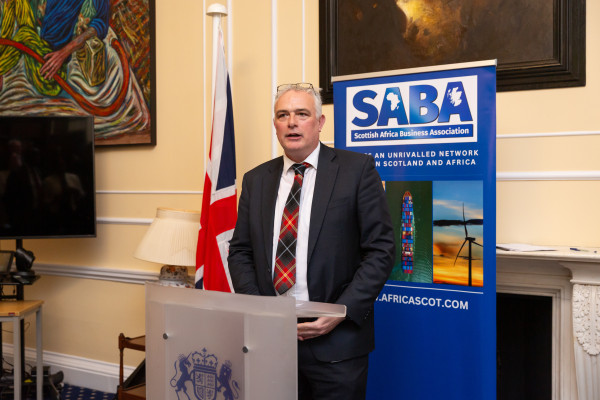
Scotland London Africa Week 2025 has concluded with outstanding feedback from delegates who described the programme as energising, insightful and productive. Across the week leaders from Scotland, London and Africa came together for high-level engagement, practical discussion and fresh opportunities for collaboration.
The week opened at Old Admiralty House with a strategic briefing from the Department for Business and Trade's Africa team. Delegates were introduced to the UK Government's 10-year industrial strategy and its eight growth sectors before the conversation explored the UK's approach to trade agreements in areas linked to skills and planning reform and how the department works with international partners while keeping a clear focus on priority opportunities.
Officials highlighted the 130 projects delivered through the Ricardo Fund and shared updates on the UK's Critical Minerals Strategy, the ETIP in Nigeria and the SACUM tariff review. Ben Ainsley delivered an in-depth overview of major African markets while noting that Africa, home to 30% of the world's population by 2050, is rapidly shaping global economic trends. His briefing covered Egypt, South Africa, Uganda, Ethiopia, Cote d'Ivoire, Senegal, Ghana, Kenya, Morocco and Nigeria.
A lively roundtable followed, with delegates raising questions on finance, clean energy, supply chain requirements and food security before continuing to Marlborough House for a meeting with the South African Chamber of Commerce UK and some of its members, kindly hosted by the Commonwealth Secretariat. Our delegates learned that South Africa remains the UK's largest trading partner in Africa with trade ties going beyond goods and aligning with many sectors Scottish businesses are active in. The day ended with an informal dinner that encouraged open conversation and new introductions between our own delegates.
The following day began at the Egyptian Bureau for Cultural & Educational Affairs where Minister Plenipotentiary Wael Abdelraheem and the Egyptian British Chamber of Commerce shared detailed insight on Egypt's trade and investment landscape. Delegates then received practical guidance on international trade documentation and visa requirements before being welcomed by the National Bank of Egypt UK for a networking lunch.
The afternoon moved to the Embassy of Ethiopia where the Ambassador hosted the group for an exceptional traditional Ethiopian coffee ceremony followed by a comprehensive briefing on opportunities across Ethiopia's rapidly developing economy. With a population of over 120 million people and a labour-rich workforce, Ethiopia is actively opening up multiple sectors for growth and foreign investment. Key opportunities highlighted include agribusiness and agro-processing, from large-scale crop production to value addition through processing of dairy, meat, cereals and packaging. The government's push to build integrated agro-industrial parks creates space for investment in machinery, processing equipment, cold-storage and supply-chain infrastructure.
The evening brought one of the week's highlights as delegates were welcomed to Dover House by kind permission of the Secretary of State for Scotland The Rt Hon Douglas Alexander MP. More than 60 dignitaries, industry leaders and businesses from Scotland, London and Africa attended. Anna Macmillan from the Scotland Office delivered the keynote, with Ebury and Diageo as generous event partners. Diageo served a selection of outstanding whisky cocktails and Ebury spoke about the importance of global trade to business resilience and growth.
The final day was held at Scotland House for the Scotland-Africa Women in Business event with speakers from across the globe and the Women in Trade Hub. Delegates and guests took part in an animated discussion on the Scottish Government's Gender Export Gap and shared ideas on how to accelerate women's international trade ambitions.
Frazer Lang, CEO of the Scottish Africa Business Association, said:
“This year's Scotland London Africa Week has delivered a real sense of purpose and progress. The depth of engagement from partners across government and industry has been outstanding and the enthusiasm from our delegates shows just how much potential there is for Scotland and Africa to grow together. We are proud to support that journey and delighted with the momentum created throughout the week.”
Seona Shand, COO of the Scottish Africa Business Association, added:
“The discussions this week were refreshing, honest and ambitious. From market insights to the inspiring energy of our Women in Business event, delegates left motivated and better connected. It is clear that Scotland's expertise aligns strongly with the priorities of many African markets and there is real appetite on all sides to build practical, long-term partnerships.”
Scotland London Africa Week 2025 demonstrated the powerful impact of direct engagement, shared knowledge and international collaboration. With enthusiastic participation from every sector, the week showcased Scotland's commitment to deepening its economic ties with African markets and highlighted the valuable role of SABA in driving these connections forward.
Distributed by APO Group on behalf of Scottish Africa Business Association (SABA).About the Scottish Africa Business Association (SABA):
SABA is the preeminent non-political, Africa focussed, members trade organisation with an unrivalled board of experienced directors which promotes trade, investment and knowledge sharing between Scotland's world class expertise and Africa's priority sectors including energy, agriculture, the blue economy, healthcare, skills training and education by leveraging extensive commercial, trade, political and government contacts across Scotland and Africa.
As part of this, our team organises private meetings, round tables, seminars, conferences, global trade missions and offers market research, intelligence sharing and consultancy services.
FG Gold, Africa Finance Corporation (AFC), and Afreximbank Achieve Financial Close on US$330 Million Senior Debt Financing for Baomahun Gold Project
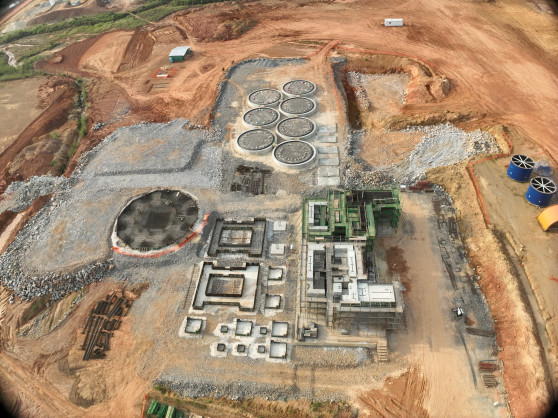
FG Gold Limited (“FG Gold”) (https://FGGoldMining.com/) is pleased to announce that it has achieved financial close and the first drawdown on its US$330 million Senior Debt Financing with Africa Finance Corporation (AFC) and the African Export-Import Bank (Afreximbank), for its Baomahun Gold Project, marking the development of Sierra Leone's flagship large-scale commercial gold mine. This milestone unlocks one of the most significant project financing deals in the country's history and supports Sierra Leone's ambition to responsibly harness its mineral resources for sustainable economic transformation. The transaction was further strengthened by capital mobilised through Trafigura Group.
The senior facility completes the financing package required to construct and develop the Baomahun Gold Project, complementing AFC's initial US$100 million investment in gold streaming and mezzanine commitments. This brings the total investment by leading African Development Finance Institutions (“DFIs”) to US$430 million, including Afreximbank's contribution of US$75 million. This landmark financing secures the full development pathway for Baomahun, enabling FG Gold to accelerate construction of core infrastructure and maintain its momentum toward first gold pour.
A transformational milestone for Sierra Leone and African mining
“This achievement marks a new chapter not only for FG Gold but for Sierra Leone,” said Oliver Tunde Andrews, Founder and Executive Chairman of FG Gold. “The Baomahun Project demonstrates that Africa has the capacity—not just in resources, but in financing sophistication, technical capability, and institutional collaboration—to develop large-scale, globally competitive mining assets. We are delighted with our constructive ongoing collaboration and partnership with the Government of Sierra Leone and the local community, as well as the backing of Africa's leading DFIs in bringing this transformative project to life.” According to Andrews, “The anchor investment provided by AFC was instrumental in crowding in additional financiers and establishing the confidence needed to mobilise further capital for the project.”
AFC and Afreximbank champion African resource development
Samaila Zubairu, President & CEO of Africa Finance Corporation (AFC), commented: “AFC is proud to have led and structured the Baomahun Gold Project, a development that embodies our mission to catalyse sustainable, African-led industrial growth. This transaction demonstrates what can be achieved when African institutions collaborate to unlock the value of our continent's resources. Baomahun will not only generate long-term economic benefits for Sierra Leone but also establish a benchmark for responsible, world-class mining development across Africa.”
Dr. George Elombi, President and Chairman of the Board of Directors, noted, “Afreximbank is delighted to partner on a project that has economic significance for Sierra Leone and the wider continent. Our financing reflects a commitment to supporting value creation within Africa by enabling sovereigns and private developers to harness their natural resources for domestic wealth creation and inclusive growth and development. The Baomahun Gold Project stands as a powerful example of African capability, innovation, and collaboration.”
Gonzalo De Olazaval, Global Head of Metals and Mineral at Trafigura added, “We are pleased to support Sierra Leone's first large-scale commercial gold mine in Partnership with AFC and Afreximbank. Our participation in this debt underscores our growing footprint in gold markets, complemented by the global reach and scale of our broader metals business.”
A project defined by African capability and global standards
The Baomahun Gold Project is being developed through the leadership of Boxmoor Au and the Africa Minerals and Metals Processing Platform (A2MP), supported by a predominantly African team and leading industry partners, including Lycopodium (EPCM), Knight Piésold, CrossBoundary Energy, and Komatsu/PanAfrican Equipment.
Recognised as one of Sierra Leone's most pioneering mining developments, Baomahun introduces multiple national “firsts” across financing, engineering, power solutions, and community partnership—establishing a scalable model for structuring and delivering high-impact mining projects across Africa.
Driving economic growth and shared prosperity
FG Gold is already a major local employer, with 90% of its workforce comprised of Sierra Leoneans. During operations, the mine is expected to support up to 900 direct and indirect jobs, contribute approximately 10% of national GDP, and stimulate substantial local supply chain growth.
According to the Minister of Mines and Mineral Resources, Sierra Leone, the Honourable Julius D. Mattai, “The Baomahun Gold Project represents a milestone for Sierra Leone's mining sector and a clear signal of the confidence that respected African institutions place in our investment environment. This financing marks a new era of responsible, community-oriented mineral development. We welcome FG Gold's commitment to local participation, skills development, and shared prosperity, and we look forward to the transformational impact Baomahun will deliver for generations to come.”
Community development already underway
FG Gold has committed 1% of gross revenues to a Community Development Fund supporting education, healthcare, agriculture, infrastructure, and social enterprise in project-affected communities. Early initiatives include the Baomahun Community Centre, St. Joseph Bakhita Primary School, the renovated Baomahun Health Centre, and upgrades to the 66 km Matotoka–Baomahun access road.
Distributed by APO Group on behalf of FG Gold Limited.Media Enquiries:
Nicola Asgill
Corporate Development, Sustainability & Investor Relations Director
FG Gold
Mobile: +232 99 503 506
Email: nicola.asgill@fg-gold.com
Yewande Thorpe
Communications
Africa Finance Corporation
Mobile: +234 1 279 9654
Email: yewande.thorpe@africafc.org
Vincent Musumba
Communications and Events Manager (Media Relations)
Afreximbank
Email: press@afreximbank.com
About FG Gold Limited:
FG Gold is a gold development company based focused on constructing and operating the Baomahun Gold Project located in Sierra Leone. Baomahun is one of the largest deposits under development in Africa and will become Sierra Leone's premier large scale commercial gold mine. Upon operations, the Project is expected to deliver an average annual gold production of ~150,000 ounces per year over a 12.5-year mine life peaking at 201,000 ounces.
About Africa Finance Corporation:
AFC was established in 2007 to be the catalyst for pragmatic infrastructure and industrial investments across Africa. AFC's approach combines specialist industry expertise with a focus on financial and technical advisory, project structuring, project development, and risk capital to address Africa's infrastructure development needs and drive sustainable economic growth.
Eighteen years on, AFC has developed a track record as the partner of choice in Africa for investing and delivering on instrumental, high-quality infrastructure assets that provide essential services in the core infrastructure sectors of power, natural resources, heavy industry, transport, and telecommunications. AFC has 47 member countries and has invested over US$15 billion in 36 African countries since its inception.
About African Export-Import Bank:
African Export-Import Bank (Afreximbank) is a Pan-African multilateral financial institution mandated to finance and promote intra- and extra-African trade. For over 30 years, the Bank has been deploying innovative structures to deliver financing solutions that support the transformation of the structure of Africa's trade, accelerating industrialisation and intra-regional trade, thereby boosting economic expansion in Africa. A stalwart supporter of the African Continental Free Trade Agreement (AfCFTA), Afreximbank has launched a Pan-African Payment and Settlement System (PAPSS) that was adopted by the African Union (AU) as the payment and settlement platform to underpin the implementation of the AfCFTA. Working with the AfCFTA Secretariat and the AU, the Bank has set up a US$10 billion Adjustment Fund to support countries effectively participating in the AfCFTA. At the end of December 2024, Afreximbank's total assets and contingencies stood at over US$40.1 billion, and its shareholder funds amounted to US$7.2 billion. Afreximbank has investment grade ratings assigned by GCR (international scale) (A), Afreximbank has investment grade ratings assigned by GCR (international scale) (A), Moody's (Baa2), China Chengxin International Credit Rating Co., Ltd (CCXI) (AAA), Japan Credit Rating Agency (JCR) (A-) and Fitch (BBB-). Afreximbank has evolved into a group entity comprising the Bank, its equity impact fund subsidiary called the Fund for Export Development Africa (FEDA), and its insurance management subsidiary, AfrexInsure (together, “the Group”). The Bank is headquartered in Cairo, Egypt.
About Fundo Soberano de Angola:
The Angola Sovereign Wealth Fund (FSDEA) is established to promote the sustainable social and economic development of Angola by generating long-term wealth for the Angolan people through prudent management of national resources, encompassing investments across a wide range of financial instruments and asset classes, both domestically and internationally, to secure competitive returns, preserve capital, and catalyse economic diversification within Angola's productive sectors.
About Boxmoor Au:
Boxmoor Au is an African-led precious metals company dedicated to building the next generation of high-performing, responsible mining operations across the continent. As a subsidiary of the Boxmoor Group, a project development and investment platform, founded in 2021 by Mr Oliver Tunde Andrews, Boxmoor Au leverages best-in-class technical, financial, and operational expertise to unlock Africa's mineral potential.
The Boxmoor Group brings together a powerful ecosystem, including an African-based financial advisory firm and civil engineering contractor enabling value creation from project origination through to delivery. This integrated capability strengthens the Group's mission to help reduce Africa's infrastructure deficit while driving localised benefaction.
Boxmoor Au's dedicated management team has 150+ years of combined experience in the natural resources and infrastructure sectors within Africa. The team is committed to creating long term value within the precious metals industry through strategic investments that maximise Africa's economic potential and promote sustainable resource development and operations.
Driven by its mission to become a leading intermediate African gold producer, Boxmoor Au is focused on developing and operating mines to deliver enduring benefits to local communities, nations and key stakeholders.
About A2MP Investments:
Africa Minerals and Metals Processing Platform (A2MP) is a pan-African industrial platform dedicated to responsible mining and value-added processing and transformation – unlocking the full potential of Africa's vast mineral wealth and driving a new era of industrial growth across the continent.
A2MP believes shifting from raw material exports to local processing and transformation will contribute to strengthening Africa's industrial base, reduce its dependence on imports, and drive economic growth to position Africa as a global leader.
A2MP's operations span 11 countries, including 9 in Africa, with a portfolio of 12 mineral assets and 4 state-of-the-art processing facilities. Our portfolio includes FG Gold, Canyon Resources, Nouvelle Gabon Mining, Alpha Centauri Mining, Fura Gems, among others. At the core of A2MP's mission is impact, with an aim to drive over US$5 billion in annual GDP impact and create more than 11,000 jobs.
African Energy Chamber (AEC) Backs East Africa Court Ruling, Warns of Escalating Foreign Funded “Lawfare” Against African Energy Progress
Download logo
East Africa has entered a decisive moment in its energy journey. With the East African Court of Justice (EACJ) dismissing a long-running lawsuit aimed at stopping the East African Crude Oil Pipeline (EACOP), the region has reaffirmed its commitment to advancing a strategically vital project designed to unlock jobs, supply chains and long-term energy security for Uganda and Tanzania.
The African Energy Chamber (AEC) strongly welcomes the ruling. For the Chamber, the court's decision reinforces a message it has championed for years: Africa must be allowed to build its own energy future without interference, intimidation or weaponized litigation funded from abroad. The judgement is not only a welcome affirmation of the rule of law in the region, but also a clear signal that Africa will not allow externally driven obstructionism to derail its development. After the five years of litigation, the EACJ upheld its earlier finding that the lawsuit brought by a consortium of civil society organizations had been filed outside the treaty's 60-day limitation period. With this ruling, the region's highest court has sent a strong message: legal processes must be respected, timelines matter and projects central to East Africa's industrialization cannot be held hostage indefinitely by procedural maneuvering.
The Chamber views the decision as a win for Uganda, Tanzania, TotalEnergies, CNOOC and every local community that stands to benefit from the jobs, investment and infrastructure linked to EACOP. The Chamber has been on the ground in Uganda, touring the so-called affected areas that activists frequently reference in campaigns abroad. What the Chamber witnessed firsthand contradicts many of the narratives being amplified in Western media. Communities are not calling for projects to be shut down; they are asking for progress, opportunity and the chance to benefit from their own natural resources. EACOP represents exactly that – a strategic pipeline that will deliver 210,000 barrels per day of Ugandan crude to the port of Tanga, unlocking value chains that can transform both economies.
“Ugandans support this project. They want jobs, investment and the opportunity to participate in an industrial future,” says NJ Ayuk, Executive Chairman, AEC. “This ruling reinforces what we have always maintained: development cannot be outsourced, delayed or derailed by external groups using African courts for ideological battles.”
The court's ruling arrives at a time when foreign funded “lawfare” is escalating across the continent. The same pattern witnessed in East Africa is already well documented in South Africa, where lawsuits filed by non-governmental organizations backed by Western foundations have successfully delayed offshore projects by TotalEnergies and Shell. The Western Cape High Court's 2025 decision to rescind the environmental authorization for Block 5/6/7, after years of litigation, is now a textbook example of how continuous legal challenges can paralyze investment. Shell's long-running Wild Coast case follows the same formula – repetitive appeals, procedural hurdles and campaigns designed to generate uncertainty rather than ensure compliance. These actions, while framed as community advocacy, are increasingly viewed by African stakeholders as systematic efforts to block African energy development while Europe and North America expand their own fossil fuel infrastructure.
Mozambique is facing similar obstacles. Litigation targeting financing for the Mozambique LNG project has escalated to multiple jurisdictions, with lawsuits filed in the United States to block a multibillion-dollar loan from the U.S. Exim Bank and criminal complaints in France alleging war-crimes complicity. While legitimate human rights oversight is necessary, the cumulative effect of these lawsuits is the prolonged stalling of Africa's largest LNG development – a project critical for regional electrification and long-term economic growth. Each delay reinforces the AEC's argument that Africa is being held to a double standard, expected to meet development needs without the very energy systems that powered the industrial growth of the West.
Against this backdrop, the EACJ ruling stands out as a reaffirmation that African institutions are capable, credible and committed to ensuring that transformative projects proceed within the bounds of law and due process. The Chamber commends Uganda and Tanzania for their steadfast leadership and congratulates TotalEnergies and CNOOC for maintaining discipline and long-term vision while navigating intense pressure from activist networks. The AEC maintains that EACOP is one of Africa's most important infrastructure projects – a pipeline that will enable value creation, export growth, expanded local content and revenue streams for decades to come.
“This ruling is a statement of confidence in African sovereignty and a rejection of efforts to dictate Africa's energy future from abroad. As the continent continues to grapple with deep energy poverty, it cannot afford to allow its development to be stalled by foreign funded litigation that offers no viable alternative for industrialization or economic upliftment. The AEC will continue supporting Uganda, Tanzania, TotalEnergies and all partners developing EACOP. The project is lawful, strategic and essential for East Africa's long-term prosperity,” concludes Ayuk.
Distributed by APO Group on behalf of African Energy Chamber.Director General of Operations at Senegal’s Energy Ministry to Speak at MSGBC 2025

Papa Samba, Director General of Control and Monitoring Operations at Senegal's Ministry of Energy, Petroleum and Mines has been confirmed as a speaker at the upcoming MSGBC Oil, Gas & Power 2025 conference and exhibition – taking place from December 8-10 in Dakar.
Samba's participation comes at a pivotal moment for Senegal, as the country's energy sector draws heightened global interest amid efforts to unlock its full resource potential for economic growth and energy security. With multiple exploration campaigns underway and notable discoveries awaiting development, the recent commissioning of the Sangomar oilfield and the Greater Tortue Ahmeyim (GTA) gas project placed Senegal on the global energy map as an emerging oil and gas exporter. Leveraging extensive experience in overseeing operational performance and regulatory compliance across Senegal's growing energy portfolio, Samba will share insights into the country's most promising investment opportunities at the MSGBC Oil, Gas & Power conference.
Explore opportunities, foster partnerships and stay at the forefront of the MSGBC region's oil, gas and power sector. Visit www.MSGBCOilGasAndPower.com to secure your participation at the MSGBC Oil, Gas & Power 2025 conference. To sponsor or participate as a delegate, please contact sales@energycapitalpower.com.
Samba is expected to showcase upcoming projects aimed at ensuring the sustainable growth of the country's oil and gas sector, including a $1 billion, 400 km national gas pipeline project led by State-owned Réseau Gazier du Sénégal. Once operational, the pipeline will connect offshore fields – including the GTA gas hub and the upcoming deepwater Yakaar-Teranga field – to power plants and industrial zones across the country, driving the country's energy security, affordability and access agenda. The pipeline will transport up to 2.5 billion cubic meters of gas annually.
Senegal is also prioritizing the expansion of its refinery capacity to enhance local value addition to cater for growing petroleum demands locally and across the region. The Société Africaine de Raffinage is progressing its SAR 2.0, $2–5 billion expansion project, which will increase refining capacity from 1.5 million tons per year to 5.5 million tons by 2029.
“Papa Samba's experience in operational control and monitoring is critical for demonstrating how Senegal is embedding excellence and reliability across all phases of energy development. His contribution will be invaluable for stakeholders exploring investment, partnership and growth opportunities in the country's oil and gas sector,” states Sandra Jeque, Events and Project Director, Energy Capital & Power.
Distributed by APO Group on behalf of Energy Capital & Power.Categories