
Habits
Emirates launches new collection of keepsake amenity kits to highlight endangered species
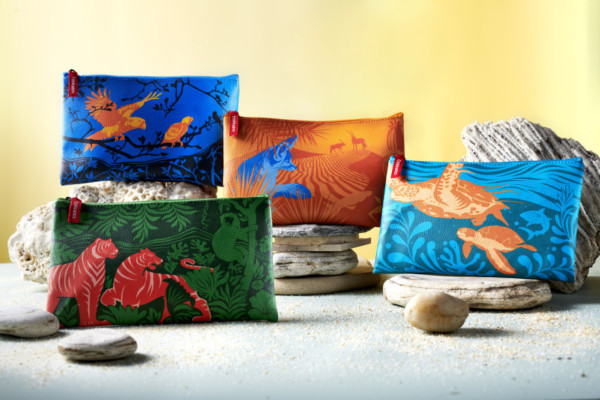
Emirates (www.Emirates.com) Premium Economy and Economy Class customers on long haul flights globally will be treated to a new range of complimentary amenity kits, onboard in December. The buttery-soft new pouches incorporate bio-based materials including cactus and form a collectible range designed in partnership with United for Wildlife (www.UnitedForWildlife.org), to highlight the most endangered species on the planet. For the first time, Premium Economy kits will contain skincare wellness products for customers from plant-powered brand, Aveda.
Emirates' new reusable amenity kits celebrate the diverse wildlife of the world, in four natural environments: the sea, sky, forest and desert. Hand drawn designs adorn each bag, and each pouch contains a story card that gives some insight into the wildlife featured. The endangered species that Emirates and United for Wildlife are highlighting include African grey parrots, Arabian gazelles, Arabian oryx, Asian black bears, Bengal tigers, Blue sharks, Bornean orangutans, Cape vultures, Chimpanzees, Fennec foxes, Geckos, Gibbons, Glass frogs, Green sea turtles, Manta rays, Painted bats, Pangolins, Peregrine falcons, Red sand boas, Small-clawed otters, Straw-headed bulbuls, Totoaba and Western gorillas.
Customers can learn more about HRH Prince William and The Royal Foundation's United for Wildlife by watching the series ‘Guardians' on Emirates' award-winning inflight entertainment system ice, as it spotlights the unsung heroes and wildlife rangers who risk everything to protect the natural world.
Emirates new 2025/26 Premium Economy Class Amenity Kit Bags
For the first time since its introduction in 2021, Emirates' Premium Economy class will have its own unique amenity kit bag with a handy wrist strap and filled with travel wellness products. Generous in size, the travel and wellness essentials inside include soft socks, eyeshades, earplugs, a Colgate dental kit, and Aveda lip balm, hand relief moisturising cream, and hydrating face lotion. The socks and eyeshades are made from 100% recycled post- consumer polyester, while the story card and ear plugs packaging are made from paper sourced from responsibly managed forests.
Available on overnight flights of longer duration, each collectible kit bag highlights endangered species through hand drawn artwork, as well as on a card inside which tells the story of the creature highlighted – from Pangolins, Glass frogs, Chimpanzees, Bengal tigers, Asian black bears, Totoabas, Small-clawed otters, Manta rays, Green sea turtles, Geckos, Peregrine falcons, Red sand boas, Fennec foxes, African grey parrots, Painted bats, Straw-headed bulbul and Cape vultures.
Emirates new 2025/26 Economy Class Amenity Kit Bags
Emirates new Economy Class kit bags are colourful keepsakes, filled with comfort items for travellers. These kits also contain soft socks, eyeshades, earplugs and a Colgate dental kit. The socks and eyeshades are made from 100% recycled post- consumer polyester, while the story card and ear plugs packaging are made from paper sourced from responsibly managed forests.
Available on overnight flights of longer duration, each collectible kit bag highlights endangered species through hand drawn artwork, as well as on a story card inside which tells the story of the creature highlighted – from Arabian gazelles, Arabian oryx, Blue sharks, Western gorillas, Gibbons, Bornean orangutan, Bengal tigers, Asian black bears, Small-clawed otters, Manta rays, Green sea turtles, Peregrine falcons, Fennec foxes, African grey parrots, and Cape vultures.
Emirates Environmental Sustainability Framework
Emirates' ongoing partnership with United for Wildlife reflects a deep commitment to the prevention of illegal trade of wildlife and wildlife products - a core pillar of the Emirates Environmental Sustainability Framework (http://apo-opa.co/3XW3JC8). Emirates is actively involved in the fight against illegal wildlife trafficking and exploitation and is a member of the United for Wildlife Transport Taskforce. Emirates has zero tolerance towards the illegal trade of wildlife and wildlife products and its freight arm, Emirates SkyCargo, has implemented a complete ban on hunting trophies of elephants, rhinoceros, lions and tigers. In June 2023, Emirates reinforced its commitment to environmentally responsible practices by achieving IATA Environmental Assessment (IEnvA) Stage One and the IEnvA Illegal Wildlife Trade module certifications.
About United for Wildlife
Founded by Prince William and The Royal Foundation in 2014, United for Wildlife aims to make it impossible for traffickers to transport, finance or profit from illegal wildlife products. By working collaboratively with the transport and finance sectors, building key partnerships with law enforcement and NGOs, and sharing information and best practices across the sectors, and across borders, United for Wildlife is disrupting this criminal network globally. www.UnitedForWildlife.org
Learn about the endangered animals on Emirates' amenity kits
African grey parrots
African Grey parrots are widely trafficked for the pet trade, where they are highly sought after. Their heads and feathers are also increasingly valued in African traditional medicine. Renowned for their exceptional intelligence, these parrots can learn extensive vocabularies, mimic sounds, and use words contextually, demonstrating cognitive abilities comparable to those of a five-year-old child. They also form strong social bonds with humans, often developing affectionate relationships with their owners.
Arabian gazelles
Arabian gazelles are primarily trafficked for sale in exotic animal collections and for illegal hunting. These animals are notable for their adaptations to harsh desert environments, distinctive reproductive behaviours, and their important role in both conservation efforts and local culture. Arabian gazelles possess specialized physiological traits that enable them to survive extreme heat and arid conditions. In addition to their biological adaptations, they are highly valued within human culture and play a vital role in maintaining the balance of their native ecosystems.
Arabian oryx
Arabian oryx are trafficked mainly for the exotic animal trade and are also poached for their horns, meat, and hides. They exemplify a major conservation achievement, having been reintroduced into their native habitats after becoming extinct in the wild. Arabian oryx are well known for their remarkable adaptations to harsh desert environments and serve as important cultural symbols of resilience and national identity throughout the Arabian Peninsula.
Asian black bears
Asian black bears are poached for their gall bladders, claws, and teeth, and are increasingly trafficked as exotic pets. Also known as Moon Bears, they are distinguished by their arboreal lifestyle and significant cultural importance. Adapted for climbing, they feature a characteristic crescent-shaped white patch on their chest and are regarded as sacred in many Asian cultures, frequently appearing in regional folklore and art.
Bengal tigers
Bengal tigers are poached and trafficked for their skin, claws, teeth, and bones, with their derivatives highly valued in Eastern medicine. Each Bengal tiger has a unique stripe pattern, much like a human fingerprint. Unlike most big cats, they are excellent swimmers and possess the longest canine teeth of any feline species, making them formidable predators. In India, Bengal tigers are also an important cultural symbol, embodying nobility and strength.
Blue sharks
Blue Sharks are trafficked for their fins, skin, livers, and meat. Shark liver oil is commonly used in pharmaceuticals and cosmetics. Fins are highly valued for their use in soups served at significant banquets and celebrations, such as weddings, in Asia, with even smaller fins now being displayed as symbols of wealth. Shark skin is processed into leather products.
Bornean orangutans
Bornean orangutans are prized in the exotic pet trade. Orangutans stand out for their high intelligence and close genetic relationship to humans, sharing approximately 97% of our DNA. As "gardeners of the forest," they play a vital ecological role by dispersing seeds throughout their habitat. Orangutans are also distinguished by their specialized arboreal lifestyle, complex social behaviours, and long, powerful arms adapted for life in the trees.
Cape vultures
Cape vultures face significant threats from mass poisoning events aimed at other large animals and are also targeted for the traditional medicine trade in Africa. As essential scavengers, vultures play a critical role in their ecosystems by consuming carcasses, thereby preventing the spread of disease to other wildlife and humans. They can soar for hours at altitudes up to 10,000 feet without flapping their wings. In southern Africa, Cape vultures are the only species that nest in large colonies, typically roosting on layered rock ledges and cliffs.
Chimpanzees
Chimpanzees are prized in the exotic pet trade and are also poached for their meat, hands and skulls. Chimpanzees are unique as our closest living relatives, sharing 98% of our DNA. They exhibit exceptional intelligence, complex social behaviours, and advanced problem-solving abilities. Notably, chimpanzees are among the few species that use and modify tools, display cultural traditions, and demonstrate self-awareness. Their intricate social structures, capacity for learning, and important ecological role in forest environments further highlight their significance.
Fennec foxes
Fennec foxes are trafficked for the pet trade and by private collectors. They are distinguished by their large ears, which aid in dissipating heat and detecting prey underground. Their feet are covered with fur to protect them from hot sand, and they can obtain all necessary water from their diet. Fennec foxes are highly social animals, typically living in family groups. Additional adaptations include a lowered heart rate and metabolism, effective camouflage, and specialized hunting techniques.
Gecko
Gecko are prized in the exotic pet trade and are highly sought after by reptile collectors. Geckos are remarkable for their extraordinary climbing abilities, enabled by microscopic hairs called setae on their feet that generate adhesive forces, allowing them to move effortlessly on walls and ceilings. They possess the unique ability to detach and regrow their tails as a defence mechanism. With over 1,500 species, geckos play a vital ecological role in controlling insect populations and are also known for producing distinctive vocalizations.
Gibbons
Gibbons are increasingly poached for the exotic pet trade. Gibbons are notable for their remarkable agility, speed, and distinctive social organization. They move swiftly through the forest canopy using brachiation—swinging from branch to branch with their long arms. Unlike many other primates, gibbons typically form long-term, monogamous pairs and live in close-knit social groups.
Glass frogs
Glass frogs are prized in the exotic pet trade. Glass frogs are remarkable for their translucent skin and muscles, which make them nearly invisible to predators. They enhance this camouflage by concealing most of their red blood cells in their liver while at rest, increasing their transparency. Additionally, in some species, males actively defend their eggs from predators such as wasps, displaying highly specialized protective behaviours.
Green sea turtles
Green sea turtles are trafficked for their shells and meat and are often taxidermized whole for decorative purposes. In some cultures, turtles are regarded as symbols of good luck. As adults, green turtles are the only large sea turtles that are strictly herbivorous, playing a vital role in maintaining the health of marine ecosystems such as seagrass beds. They are also exceptional navigators, using the Earth's magnetic field to return to their nesting beaches after extensive migrations. The temperature of the sand where their eggs are buried determines the sex of the hatchlings. Green turtles nest in 80 countries and inhabit the coastal waters of 140 countries.
Manta rays
Manta rays are trafficked for their gill plates, which are used in traditional medicines in Asia. They are notable for their intelligence, impressive size, and gentle disposition. As some of the largest fish in the ocean, manta rays have the highest brain-to-body size ratio among fish and display advanced social behaviours, such as visiting cleaning stations and possibly using echolocation.
Painted bats
Painted bats are poached mainly for the ornamental and taxidermy trade, valued for their vivid orange and black coloration. Online demand for decorative items far exceeds what could be met by naturally deceased bats, making all commercial trade unsustainable given their solitary habits and low reproductive rate—just one pup per year. Painted bats are notable for their unique flight, specialized roosting in dried banana leaves, and their role in insect control. Illegal trade and habitat loss have made them ‘Near Threatened' status.
Pangolins
Pangolins remain under threat from poaching for their meat and scales. Pangolins are unique as the only mammals covered in large, protective keratin scales. These distinctive scales, combined with features such as exceptionally long tongues for consuming ants and termites and the ability to curl into a tight defensive ball, set them apart from all other species. Unfortunately, these very traits contribute to their status as the most trafficked mammals globally, as they are heavily hunted for their meat and scales, which are wrongly believed to possess medicinal value.
Peregrine falcons
Peregrine falcons are poached for the live bird trade. Renowned as the fastest animals on Earth, they can reach speeds exceeding 200 mph during their hunting dive, or stoop. Highly adaptable, peregrine falcons inhabit every continent except Antarctica and are celebrated as a symbol of successful endangered species recovery through conservation efforts. Their physical adaptations include bony tubercles in their nostrils that enable breathing at high speeds and a specialized tomial tooth on their beak for efficiently killing prey. Peregrine falcons also hold significant cultural importance throughout the Middle East.
Red sand boas
Red sand boas stand out for their vital role in controlling rodent populations, their specialized adaptations for life underground, and the cultural myths that fuel both high demand and illegal trade. These stout, reddish-brown, non-venomous snakes are prized in the exotic pet market for their calm temperament and ease of care, while in agricultural settings, they contribute significantly by preying on rodents and supporting farm pest management. They are sought after by many who believe they embody supernatural powers.
Small-clawed otters
Small-clawed otters are trafficked for the pet trade and for use in pet cafés, where customers pay to interact with them. They are notable for their intelligence, social nature, and distinctive physical traits, including partially webbed paws that enable them to handle objects and catch prey such as crabs and mollusks. As the smallest otter species, they live in social groups, communicate through a complex system of at least a dozen vocalizations, and are more terrestrial than other otter species.
Straw-headed bulbuls
Straw-headed bulbuls are heavily targeted by poachers for the lucrative Asian songbird trade, prized for their striking appearance and exceptionally melodious songs. As the largest bulbul species in Southeast Asia, their distinctive calls make them especially sought after by collectors and hobbyists. This intense demand has led to widespread trapping, which, together with ongoing habitat loss, has caused dramatic population declines and pushed the species to the brink of extinction, now classified as critically endangered.
Totoaba
Totoaba are a large fish that lives off the coast of Mexico. Totoaba are notable for their highly prized swim bladders, which command significant value on the illegal market. This demand has driven extensive poaching, pushing the species to the brink of extinction and severely threatening the vaquita porpoise through bycatch. In traditional Chinese medicine and luxury cuisine, totoaba swim bladders are especially sought after and are sometimes traded as investment items.
Western gorillas
Western gorillas are targeted by poachers and traffickers for both the exotic pet and bushmeat trades. Notable for their remarkable intelligence and strength, gorillas live in complex social groups led by a dominant silverback male and maintain strong family bonds. Sharing approximately 98% of their DNA with humans, they exhibit human-like emotions such as laughter and sadness. As the largest primates on Earth, gorillas are primarily herbivorous and possess the ability to use and create tools, such as using sticks to measure water depth.
Distributed by APO Group on behalf of The Emirates Group.Heritage, identity, and the risk of digital mimicry

As South Africans recently celebrated a day of communal braais and shared national pride, our digital lives inevitably mirrored our physical ones. We posted family photos, shared traditions, and celebrated our diverse cultures online. But in this outpouring of celebration, we risked exposing the very essence of our identity to cybercriminals who see our heritage not as a source of pride, but as a blueprint for manipulation.
“Heritage is not just about our traditions and history,” asserts Anna Collard, SVP of Content Strategy & CISO Advisor at KnowBe4 Africa (https://www.KnowBe4.com/). “It's also about an individual's unique digital footprint that includes their personal information and cultural affiliations.” While celebrating heritage is a positive act, she warns that oversharing details online can provide cybercriminals with the ammunition they need for highly targeted attacks.
The digital shadow of a shared identity
Criminals consistently flock to where public interest is highest, and the increased social media activity around Heritage Day makes it a prime hunting ground. “The celebratory nature of Heritage Day makes people more trusting and less likely to scrutinise suspicious communications,” says Collard. “Cultural pride can override usual scepticism when receiving messages that appear to celebrate or acknowledge one's heritage.”
This is compounded by a tendency to share more personal information during cultural celebrations, including family photos, location data, and even ancestral origins or family names. This data helps criminals build detailed victim profiles for highly effective social engineering (https://apo-opa.co/4ai7HMO) campaigns.
When 'ubuntu' becomes a vulnerability
Cybercriminals are adept at exploiting the cultural significance of the occasion, using traditional greetings and heritage symbols to establish a false rapport. “They leverage the strong sense of ubuntu and community spirit in South African culture to lower victims' defences,” Collard explains.
This can manifest in several ways, from bogus charity appeals for a community project to phishing campaigns (https://apo-opa.co/3XUN3es) promising tickets to sold-out cultural events. Some scams are even more elaborate, exploiting deep-seated cultural beliefs. “Fraudsters may claim to represent traditional healers (sangomas) or deceased ancestors, promising to ‘bless' (https://apo-opa.co/3KQS9W3) or double your money through a ritual to manipulate victims into handing over their life savings,” she comments.
Fraudsters can also use artificial intelligence to study cultural posts to impersonate community leaders or heritage groups, exploiting the trust people have in these figures. “Be especially wary of attacks that leverage personal data from your social-media accounts to create a false sense of trust,” she cautions.
Another risk is the deliberate use of “rage-bait” around culturally sensitive topics. “Rage-bait is internet content intentionally designed to provoke anger or outrage to increase engagement,” Collard elaborates. “It's best not to comment on these posts, as they can be used as a tactic in a larger social-engineering campaign to exploit cultural stereotypes or vulnerabilities for malicious purposes.”
Building our cognitive defences
Protecting our digital identity is not a purely technical problem; it is a psychological one. “Heritage and identity are deeply emotional topics that could bypass rational security thinking if exploited by scammers or disinformation actors,” Collard maintains. “Technical solutions alone ignore how values influence decision-making and risk assessment – we need to foster digital mindfulness and teach people how to be aware of these tactics.”
For individuals, this means:
- Smart sharing: Review privacy settings before posting heritage-themed content. Avoid sharing specific locations, family details, or financial information that could be exploited.
- Verification habits: Double-check heritage-related offers or invitations through official channels. Be sceptical of unsolicited messages, even if they reference your culture.
- Digital hygiene: Use a password manager to create and manage strong, unique passwords and enable multi-factor authentication on all your accounts.
For organisations:
- Run proactive awareness campaigns: Make employees aware of the specific dangers that exist online when sharing too much personal information
- Use culturally relevant training: “Using culturally relevant examples and scenarios in security awareness training (https://apo-opa.co/48SeZ7v) is a good idea,” says Collard, as it helps make the threats more tangible and memorable.
Heritage Day should be a time to strengthen our cultural bonds, not to make us vulnerable. “By staying culturally connected while remaining digitally cautious,” Collard concludes, “we can celebrate our heritage while securing our futures, safely.”
Distributed by APO Group on behalf of KnowBe4.Contact details:
KnowBe4:
Anne Dolinschek
anned@knowbe4.com
Red Ribbon:
TJ Coenraad
tayla@redribboncommunications.co.za
Dr. Rasha Kelej Drives Impactful Change in Cardiovascular Preventive, Cardiology, Hypertension, and Diabetes Care Across Africa and Beyond by Empowering Local Doctors Through 925...
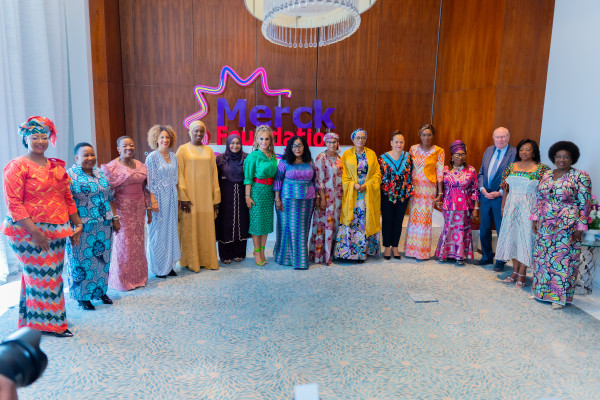
- Merck Foundation in partnership with African and Asian First Ladies, Ministries of Health and Medical Societies provided out of total 2500 scholarships, 925 Scholarships of one-year Post-Graduate Diploma and two-year Master Degree in Preventative Cardiovascular Medicine, Cardiology, Diabetes, Endocrinology and Obesity & Weight Management; and One Year Fellowship program for Diabetes & hypertension for doctors from 52 countries in Africa, Asia and Latin America.
- Merck Foundation released the First storybooks and Animation Films “Mark's Pressure”, and “Sugar Free Jude”, with the aim to raise awareness about early detection and prevention of Hypertension and Diabetes (which are corelated) and to Promote Healthy Lifestyle, amongst children and youth in Africa and beyond.
Merck Foundation (www.Merck-Foundation.com), the philanthropic arm of Merck KGaA Germany marks ‘World Heart Day 2025' in partnership with First Ladies of Africa and Asia, Ministries of Health, Medical Societies, and Academia, through their Nationwide Diabetes & Hypertension Blue Points Program.
Senator, Dr. Rasha Kelej, CEO of Merck Foundation emphasized, “At Merck Foundation, we mark World Heart Day every day Cardiology, Cardiovascular Preventive, Hypertension, and Diabetes, across Africa, Asia, and Latin America.
I am proud to share that, in partnership with our Ambassadors, The First Ladies of Africa & Asia and partners like Ministries of Health, Medical Societies and Academia, we have provided 925 scholarships for doctors from 52 countries of Online One-year PG Diploma and Two-year Master degree in Cardiovascular Preventive, Cardiology, Diabetes, Endocrinology, Clinical Nutrition and Obesity & Weight Management; One Year clinical Fellowship program for Diabetes and Hypertension; and also a special 3-month Diabetes Mastercourse in English, French, Portuguese and Spanish. These scholarships are helping to build a robust network of specialists, reaching beyond major cities and capitals”.
Merck Foundation has in total provided more than 2500 scholarships for doctors from 52 countries in 44 critical and underserved medical specialties.
Dr. Nakigunda Kiroga, Merck Foundation Alumnus from Tanzania shares, “I am deeply grateful to Merck Foundation for the opportunity to pursue PG Diploma and MSc in Cardiology. The training program has strengthened my confidence in assessing patients' cardiovascular risks and applying evidence-based interventions to reduce them. It has also helped to brace my research capabilities. Moreover, the training program has also equipped me to better educate and guide my patients on their treatment plans and the lifestyle changes that will most benefit their health”.
According to the World Heart Federation, cardiovascular diseases (CVD) are the second leading cause of death in sub-Saharan Africa, claiming the lives of over 1 million people every year. Alarmingly, high blood pressure is responsible for more than half of all CVD-related deaths on the continent, highlighting the urgent need for preventive measures and increased awareness around cardiovascular health.
Therefore, Merck Foundation has launched a range of community awareness initiatives aimed at promoting healthy lifestyle, and emphasizing the prevention, early detection, and effective management of diabetes and hypertension.
In partnership with African First Ladies, Merck Foundation has released children's storybooks and adapted animation Films “Mark's Pressure” and “Sugar Free Jude”.
“On the occasion of World Heart Day 2025, I am excited to share ‘Mark's Pressure' and ‘Sugar Free Jude', the first animation films in Africa designed to raise awareness about hypertension, diabetes, and the importance of healthy lifestyles among children and youth across the continent and beyond. These films are adaptations of our children's storybooks and aim to inspire communities to reduce sugar and salt intake, exercise regularly, eat nutritious foods, and avoid smoking. By promoting these habits, we can tackle diabetes and hypertension which are the major risk factors for serious complications and heart disease and empower future generations to lead healthier lives”. Added Senator Dr. Kelej.
Watch the “Mark's Pressure” Animation film here:
Watch the “Sugar Free Jude” Animation film here:
Merck Foundation's pan African TV program “Our Africa”, that is conceptualized, produced, directed, and co-hosted by Senator, Dr. Rasha Kelej, CEO of Merck Foundation and features African Fashion Designers, Singers, and prominent experts from various domains with the aim to raise awareness about social and health issues, has episodes dedicated to raise awareness about Diabetes and Promoting Healthy Lifestyle.
Watch the Episode on promoting Healthy Lifestyle here:
Watch the Episode on Diabetes Awareness here:
All episode of “Our Africa” are available on social media handles of Senator, Dr. Rasha Kelej (Facebook (http://apo-opa.co/4q7tJqk), Instagram (http://apo-opa.co/4acjk7Z), Twitter (http://apo-opa.co/4q7yKiH) and YouTube (http://apo-opa.co/4oQo2fl)) and Merck Foundation (Facebook (http://apo-opa.co/4pHRZzp), Instagram (http://apo-opa.co/4oN3G6A), Twitter (http://apo-opa.co/3XMaQx5) and YouTube (http://apo-opa.co/3XMaRRF)).
Merck Foundation together with African and Asian First Ladies, annually launches their Awards for Media, Fashion Designers, Filmmakers, Musicians, Singers, and emerging talents from these fields to Promote a healthy lifestyle and raise awareness about prevention and early detection of Diabetes and Hypertension.
Details of the awards:
1. Merck Foundation Media Recognition Awards 2026 “Diabetes & Hypertension”: Media representatives are invited to showcase their work through strong and influential messages to promote a healthy lifestyle and raise awareness about the prevention and early detection of Diabetes and Hypertension.
Submission deadline: 30th October 2026.
2. Merck Foundation Film Awards 2026 “Diabetes & Hypertension”: All African Filmmakers, Students of Film Making Training Institutions, or Young Talents of Africa are invited to create and share a long or short FILMS, either drama, documentary, or docudrama to deliver strong and influential messages to promote a healthy lifestyle raise awareness about prevention and early detection of Diabetes and Hypertension.
Submission deadline: 30th October 2026.
3. Merck Foundation Fashion Awards 2026 “Diabetes & Hypertension”: All African Fashion Students and Designers are invited to create and share designs to deliver strong and influential messages to promote a healthy lifestyle and raise awareness about the prevention and early detection of Diabetes and Hypertension.
Submission deadline: 30th October 2026.
4. Merck Foundation Song Awards 2026 “Diabetes & Hypertension”: All African Singers and Musical Artists are invited to create and share a SONG with the aim to promote a healthy lifestyle and raise awareness about the prevention and early detection of Diabetes and Hypertension.
Submission deadline: 30th October 2026.
Entries for all the awards are to be submitted via email to: submit@merck-foundation.com
Distributed by APO Group on behalf of Merck Foundation.Contact:
Mehak Handa
Community Awareness Program Manager
Phone: +91 9310087613/ +91 9319606669
Email: mehak.handa@external.merckgroup.com
Join the conversation on our social media platforms below and let your voice be heard!
Facebook: https://apo-opa.co/4ps7BXH
X: https://apo-opa.co/4pVHtEg
Instagram: https://apo-opa.co/3KTZAvC
YouTube: https://apo-opa.co/48PLBiw
Threads: https://apo-opa.co/4abVOYS
Flickr: https://apo-opa.co/44lDokB
Website: www.Merck-Foundation.com
Download Merck Foundation App: https://apo-opa.co/3MsL52p
About Merck Foundation:
The Merck Foundation, established in 2017, is the philanthropic arm of Merck KGaA Germany, aims to improve the health and wellbeing of people and advance their lives through science and technology. Our efforts are primarily focused on improving access to quality & equitable healthcare solutions in underserved communities, building healthcare & scientific research capacity, empowering girls in education and empowering people in STEM (Science, Technology, Engineering, and Mathematics) with a special focus on women and youth. All Merck Foundation press releases are distributed by e-mail at the same time they become available on the Merck Foundation Website. Please visit www.Merck-Foundation.com to read more. Follow the social media of Merck Foundation: Facebook (https://apo-opa.co/4ps7BXH), X (https://apo-opa.co/4pVHtEg), Instagram (https://apo-opa.co/3KTZAvC), YouTube (https://apo-opa.co/48PLBiw), Threads (https://apo-opa.co/4abVOYS) and Flickr (https://apo-opa.co/44lDokB).
The Merck Foundation is dedicated to improving social and health outcomes for communities in need. While it collaborates with various partners, including governments to achieve its humanitarian goals, the foundation remains strictly neutral in political matters. It does not engage in or support any political activities, elections, or regimes, focusing solely on its mission to elevate humanity and enhance well-being while maintaining a strict non-political stance in all of its endeavors.
Binance Launches ‘Binance Junior’ Crypto Savings Account for Kids and Teens
Download logo
Binance (www.Binance.com) today announced the launch of Binance Junior (https://apo-opa.co/49UWuBE), a new parent-controlled app and sub-account for kids and teens, ages 6-17, that offers parents a family-centric platform to build crypto wealth and savings, helping prepare their children for a digital financial future. Binance Junior allows parents to open and manage crypto savings accounts on behalf of their children, enabling young users to save and earn crypto in the account through Binance Flexible Simple Earn, while restricting trading activities to ensure safety.
Parents can fund the Binance Junior account via their master account or through on-chain transfers. By offering controlled early exposure to savings and digital assets, Binance Junior empowers parents to invest in their children's financial future and nurture positive saving habits. As crypto becomes increasingly integrated with mainstream finance, this new product aims to provide young users with a strong foundation in personal finance and digital asset education, promoting long-term financial literacy and readiness for the evolving economic landscape.
“As parents who love our children, we not only nurture them in their early development but long-term growth with responsibility and wisdom—helping their ability to face real life challenges independently where financial health and literacy are key to preparing them for the future, especially as money is evolving,” said Binance co-CEO Yi He. “Today, parents can take the first steps to prepare for their children's financial future and equip them for the future financial landscape. Binance Junior is a family finance initiative that helps parents build crypto wealth and savings for their children and encourages them to teach and practice healthy financial habits for the next generation into adulthood.”
Designed for both crypto-native parents and those new to digital assets, Binance Junior helps them begin their digital finance journey as a family in a secure environment with parental control and monitoring via a simplified interface, with safety measures in place. Binance Junior users aged 13 and above can initiate transfers on their app, with a higher age criteria where required by local regulations, and with daily limits applied. Trading is not permitted and transfers to non-parental adult users are also restricted. Parents will be notified of every transaction from their Junior account and have the ability to disable their child's Junior account at any time, immediately halting all transfers.
As part of Binance's continued mission to educate people about the world of digital assets, while preparing the next generation for financial health and wealth under its broader family finance initiative, it has released a self-published book, “ABC's of Crypto.”
The “ABC's of Crypto” is an educational book designed as a children's book for anyone who is interested in learning about crypto and illustrating how crypto can be “as easy as ABC.” The book breaks down fundamental terms in crypto, from security and blockchain technology to types of coins, in a fun and easy-to-understand way—encouraging families to learn together in their digital finance journey.
Binance Junior will be available in select countries via the Apple App Store and Google Play Store. For more information on features and how to get started, visit: https://apo-opa.co/49UWuBE.
Distributed by APO Group on behalf of Binance.About Binance:
Binance is a leading global blockchain ecosystem behind the world's largest cryptocurrency exchange by trading volume and registered users. Binance is trusted by more than 290 million people in 100+ countries for its industry-leading security, transparency, trading engine speed, protections for investors, and unmatched portfolio of digital asset products and offerings from trading and finance to education, research, social good, payments, institutional services, and Web3 features. Binance is devoted to building an inclusive crypto ecosystem to increase the freedom of money and financial access for people around the world with crypto as the fundamental means.
For more information, visit: www.Binance.com