
Explore more Articles in
Climate Change
African Development Bank Group-funded fisheries programme impacts two million people, drives economic transformation in 16 Southern African Development Community (SADC) countries
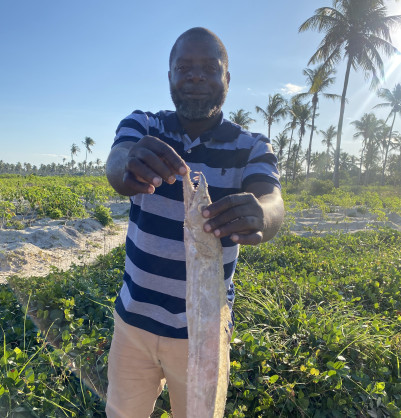

A regional initiative that has overhauled aquatic resource management and boosted cross-border fish trade is now improving the lives of nearly three million people across Southern Africa —raising fish production, consumption, and incomes.
The Program for Improving Fisheries Governance and Blue Economy Trade Corridors (PROFISHBLUE) (https://apo-opa.co/3Y8pOgL) has generated cross-border trade volumes exceeding 500,000 tonnes over the past four years, creating employment, strengthening food security, and building climate resilience across 16 SADC member states.
The initiative has built capacity for over 250,000 beneficiaries across seven African Development Fund (ADF) countries (Democratic Republic of Congo, Madagascar, Malawi, Mozambique, Tanzania, Zambia, and Zimbabwe) through various trainings, knowledge transfer programs, fish quality assurance equipment and tools, and refrigerated transport vehicles.
Training covered multiple areas, including fish value chain and post-harvest utilisation, business development and SME incubation, genetic improvement programs for endemic tilapia species, common standards and policy harmonization in collaboration with bureaus of standards and customs officers, nutrition and fish product development, and blue economy investment planning and financing mechanisms.
Further support was provided for fish stock assessments on transboundary lakes, vessel monitoring systems to deter illegal fishing, and training vessel inspection and fish catch statistics.
On World Fisheries Day on 21 November, the Southern African Development Community (SADC), the African Development Bank Group, and strategic partners gathered in Gaborone to celebrate these achievements and showcase how the project has transformed fish value chains and local consumer markets since its inception in 2022.
The $9.2 million grant initiative, funded through the African Development Bank's ADF 15, has successfully facilitated regional integration and economic development by improving fisheries governance and establishing sustainable blue economy trade corridors.
This year's World Fisheries Day aligned closely with PROFISHBLUE's multi-level governance and community-centered approach and measurable impact on fisheries communities throughout Southern Africa.
The gathering brought together government officials, development partners, private-sector representatives, and civil society stakeholders to chart a path forward for sustainable fisheries development in the region.
Transformative Impact Across the Region
"We are indebted to the African Development Bank Group for providing funding to implement this project within the Blue Economy space," said Director Domingos Gove on behalf of Angele Makombo Ntumba, SADC Deputy Secretary for Regional Integration. "This support has demonstrated our capacity to improve aquatic food systems for the benefit of over 380 million people in the region."
The project has successfully demonstrated that fishery resources can be managed sustainably, equitably, and resiliently in the face of climate change and external shocks.
"The PROFISHBLUE project has shown best practices in regional integration of blue economy trade corridors and cross-border fish trade," stated Neeraj Vij, African Development Bank's Regional Sector Manager for Feed Africa Operations for Southern Africa. "About 3 billion people rely on global supply chains for aquatic-sourced food, contributing $300 billion annually to the global economy. This project demonstrates how strategic investment in fisheries governance can create competitive value chains that provide jobs and livelihoods while eradicating extreme poverty, especially in rural areas."
Vij reaffirmed the African Development Bank Group's commitment to expanding support for blue economy initiatives across SADC Member States.
Key implementing partners include the Food and Agriculture Organization (FAO), the United Nations Industrial Development Organization (UNIDO), the Worldwide Fund for Nature (WWF), WorldFish, and the African Organization for Standardization (ARSO).
Director of Fisheries and Apiculture in Botswana's Ministry of Lands and Agriculture, Kagisanyo Bedi, commended the initiative for creating a crucial platform for learning and exchange of ideas among regional stakeholders in the region.
The celebration featured testimonials from women in fisheries who shared how the project has enhanced their livelihoods, underscoring the project's inclusive development approach.
"We embarked on an investment journey that few smallholder entrepreneurs would consider piloting technology in seaweed farming. We appreciate the opportunity..." said Hifadhi Hai, a project participant from Tanzania.
"This was echoed by a fish processor, Tamala Mtambo of the Twiyule Fish Cooperative, Malawi: "ProFishBlue supported us to turn fish processing into progress."
Distributed by APO Group on behalf of African Development Bank Group (AfDB).Media Contact:
Emeka Anuforo
Communication and External Relations Department
media@afdb.org
About the African Development Bank Group:
The African Development Bank Group is Africa's premier development finance institution. It comprises three distinct entities: the African Development Bank (AfDB), the African Development Fund (ADF) and the Nigeria Trust Fund (NTF). On the ground in 41 African countries with an external office in Japan, the Bank contributes to the economic development and the social progress of its 54 regional member states. For more information: www.AfDB.org
Africa’s Green Economy Summit 2026 to unveil Africa’s premier pipeline of investment-ready green ventures making a difference toward net zero goals
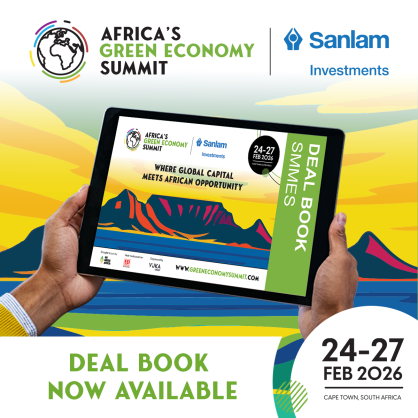
Africa's Green Economy Summit (AGES 2026) is set to host an unparalleled showcase of investment-ready green economy projects from across the continent. With over 100 applications meticulously vetted by its expert investors committee, nearly 30 pioneering Pan-African initiatives have been selected to present their transformative solutions. This curated pipeline, spanning crucial sectors from clean energy to climate-smart agriculture, underscores Africa's pivotal role in the global green transition and AGES 2026's commitment to connecting global capital with impactful African ventures.
Elodie Delagneau, Investment Project Lead at VUKA Group, emphasised the significance of this year's selection: "The overwhelming response and the exceptional quality of applications reaffirm Africa's immense potential in the green economy. AGES 2026 is not merely a conference; it is the definitive platform where serious capital meets serious impact. Our rigorous vetting process ensures that investors encounter thoroughly de-risked and scalable projects that are poised to deliver both significant financial returns and verifiable environmental and social benefits."
A curated pipeline of innovation
The Pitch Programme is the culmination of extensive market research and rigorous evaluation, designed to identify and elevate projects that are not only innovative but also strategically aligned with Africa's sustainable development goals. These initiatives represent the cutting edge of green and blue economy solutions, ready to drive tangible progress across the continent.
Our committee, comprised of leading investors and industry experts, has meticulously selected nearly 30 game-changing ventures. This sneak peek offers a glimpse into the future of Africa's green economy, featuring solutions that are ripe for investment and set to transform industries and communities alike.
Approaching Africa's critical green economy verticals
AGES 2026 will present a diverse portfolio of projects categorised into eight high-growth sectors, each offering compelling investment opportunities:
- Energy: Powering Africa's Green Transformation
The sector is fundamental for Africa's development, with over 600 million lacking electricity. Projects range from utility-scale solar and wind to mini-grids, energy storage, and green hydrogen initiatives. These ventures offer rapid emissions reductions, enhance energy security, and unlock new economic opportunities. Investors will find projects leveraging Africa's abundant renewable resources, supported by favourable policies and innovative financing.
- Transport & E-Mobility: Accelerating Sustainable Connectivity
Addressing urbanisation and emissions, this sector showcases projects focused on electrifying Africa's transport systems. Initiatives span electric buses, two/three-wheelers, and innovative logistics solutions. These projects aim to reduce fossil fuel consumption, improve urban air quality, and enhance economic productivity through modern, efficient, and clean mobility infrastructure.
- Waste & Circular Economy: Transforming Waste into Value
This critical sector tackles public health, urban resilience, and climate mitigation by converting waste into valuable resources. Projects include advanced recycling facilities, waste-to-energy solutions, organic waste composting, and innovative approaches to utilising invasive species. These ventures create jobs, reduce landfill reliance, and generate new revenue streams from what was once considered waste.
- Water & Resilience: Safeguarding Africa's Most Precious Resource
Water security is paramount for health, agriculture, and industrial activity, especially as climate change intensifies drought and flood risks. Projects in this sector focus on building resilient water infrastructure, developing decentralised water services, and implementing climate-resilient solutions such as groundwater monitoring and integrated catchment rehabilitation.
- Sustainable Agriculture & Food Systems: Cultivating Africa's Future
With agriculture central to livelihoods, this sector presents projects focused on sustainable practices that increase productivity, climate resilience, and food security. Initiatives range from vertical farming and biochar-based fertilisers to agri-tech platforms and cold chain solutions. These projects aim to reduce emissions, enhance soil health, boost yields, and empower smallholder farmers across the continent.
- Biodiversity & Nature Finance: Safeguarding Africa's Natural Capital
Africa's vast biodiversity underpins essential ecosystem services and climate regulation. Projects in this sector mobilise capital to protect, restore, and sustainably manage critical ecosystems like forests, wetlands, and coastal zones. Initiatives such as REDD+ programs and blue carbon projects offer high-impact conservation opportunities with significant co-benefits for local communities and tourism.
- Digitalisation & Climate Tech: Accelerating Green Innovation
Digital tools are proving to be powerful accelerators for climate solutions, optimising energy use, enhancing agricultural productivity, and improving resource management. This sector features projects leveraging IoT, AI, and blockchain for supply chain traceability, carbon accounting, and new green business models. These technologies reduce transaction costs and dramatically increase the scalability of green projects.
- Carbon Markets & Credits: Monetising Climate Action
Carbon markets are emerging as a powerful mechanism to mobilise private capital for climate mitigation and nature-based solutions. Projects here focus on generating high-integrity carbon credits through renewables, avoided deforestation, mangrove restoration, methane capture, and sustainable agriculture. These initiatives channel crucial finance to projects that deliver verifiable climate benefits alongside significant social outcomes.
Experience the power of connection
AGES 2026 stands as Africa's most influential gathering for green investment, innovation, and policy. The summit is meticulously designed to foster direct connections between global capital and the most promising green economy projects.
"The Pitch Programme offers an unparalleled opportunity for investors to engage directly with the innovators shaping Africa's green future," Delagneau added. "Beyond the pitches, attendees will benefit from purpose-built matchmaking sessions, networking opportunities with leading DFIs, corporate partners, and policymakers, and deep insights into the continent's evolving green economy landscape. Our goal is to significantly accelerate deal flow and ensure that every investor finds projects that align with their financial and impact mandates."
The summit also includes a robust mentorship program for pitching projects, ensuring they are investor-ready and equipped with compelling narratives. This holistic approach reinforces AGES 2026's commitment to not just showcasing projects but actively facilitating their success and growth.
AGES 2026 is poised to be a pivotal event in driving Africa's just transition, underscoring the continent's leadership in developing scalable, sustainable, and economically viable solutions to global challenges.
More information or registration: www.GreenEconomySummit.com
To download the event brochure, click here (https://apo-opa.co/4pRd1LN).
Distributed by APO Group on behalf of VUKA Group.Additional Link:
Download the Deal Book to explore all of the confirmed projects pitching at AGES 2026: https://apo-opa.co/48iElMV
Media enquiries and interview requests:
Nomsa Mdhluli
Nomsa@tishalacommunications.com
+27 71 628 6231
Elize Engle
Pr1@tishalacommunications.com
+27 82 762 4946
Tshepang Mokoena
Pr@tishalacommunications.com
+27 76 682 9608
Registration enquiries:
Mzamo Jika
mzamo.jika@wearevuka.com
Letlatsa Sekhele
letlatsa.sekhele@wearevuka.com
Prudence Chishimba
prudence.chishimba@wearevuka.com