
Tag: Legal
Become a member
Get the best offers and updates relating to Liberty Case News.
Senegal Charts Gas-to-Power Strategy at MSGBC 2025
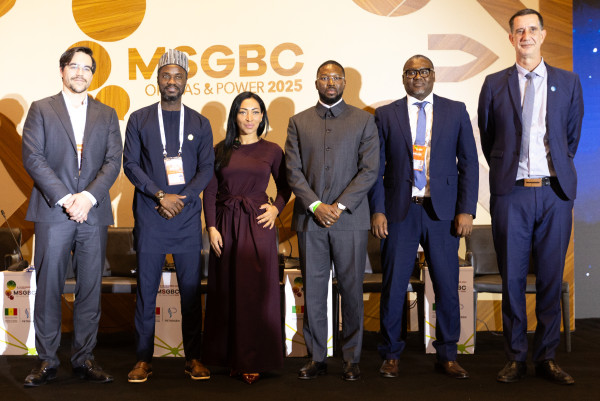
Senegal is emerging as a continental leader in gas-to-power solutions, combining innovative technical models with flexible project delivery to meet rapidly growing electricity demand, panelists said on Tuesday at the MSGBC Oil, Gas & Power 2025 conference in Dakar.
Senegal's approach is already showing results: the country launched Africa's first LNG-to-power project this July without subsidies, highlighting a model that could serve as a blueprint for the region, according to Zackarie Fortin-Brazeau, Vice President for LNG to Power & Clean Technologies at Karpowership.
“This is a milestone for the continent and showcases the proof of discipline and strong execution here in Senegal,” Fortin-Brazeau said. He noted that Senegal's electricity demand is growing by 9–10% per year, among the fastest in the world. “Keeping up with this demand requires reliability, flexibility and speed. New turbines today take around five years to procure, deliver and install – this is why powerships play a long-term role in countries that have quick emerging power.” Fortin-Brazeau emphasized that floating powerships can be deployed faster and at lower cost than land-based plants, complementing renewable energy sources by providing generation that can respond quickly to intermittent supply.
The push for gas integration is underpinned by a broader strategic shift, according to Papa Toby Gaye, Director General of national electricity company SENELEC. “This strategy is built on decentralizing capacity. We understand that electricity costs depend heavily on the type of fuel used… If we are able to introduce gas into the mix, we can significantly reduce electricity prices,” Gaye said. He added that smaller, distributed power plants will allow Senegal to flexibly integrate gas as it becomes available.
Technical execution remains central to these efforts. Pape Momar Lô, CEO of state-owned Réseau Gazier du Sénégal, emphasized rigorous preparation, including stakeholder consultation, mapping and environmental planning. He also highlighted the wider potential of gas infrastructure: “Even today, the conversation has moved beyond simply ‘gas-to-power' to ‘gas-to-X.' This reflects that various industries – whether in agriculture, transportation, aquaculture, health or fishing – can adapt and take advantage of this gas infrastructure for their own development. We need a strong legal framework, with a strong gas code to make sure this is sustainable.”
The economic case for gas-to-power in Africa was reinforced by Dr. Riverson Oppong, CEO of the Chamber of Oil Marketing Companies. “We have tested gas-to-power not only in Ghana but other African countries. The technology is tested, acceptable, and most importantly, very affordable,” he said. Highlighting Ghana's experience, he noted that switching from crude oil or diesel to gas cut electricity tariffs significantly, illustrating the financial impact of integrating gas.
From a financial and operational perspective, Dominique Gadelle, VP Early Engagement Gas at TechnipEnergies, highlighted the pillars of successful gas-to-power projects: revenue security, risk reduction, ESG compliance and technological integration. “Switching from fuel to natural gas is one of the most credible pathways, as it can reduce CO₂ emissions per megawatt-hour by approximately 50%,” he said. Gadelle also emphasized forward-looking planning for the sector: gas-to-power is a lever to transition from coal and fuel to cleaner electricity, but networks should eventually be ready to integrate hydrogen and reduce reliance on carbon to meet future energy demands.
Distributed by APO Group on behalf of Energy Capital & Power.At the 30th United Nations Climate Change Conference (COP30), African Development Bank (AfDB), development partners call for major new financing to accelerate Africa’s Great...
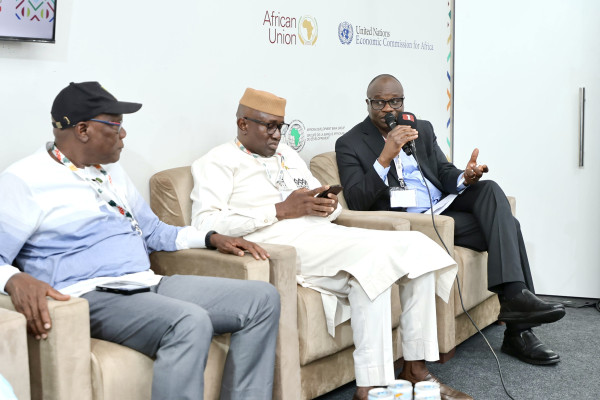
At the 30th United Nations Climate Change Conference (COP30) in Belém, Brazil, development partners including the African Development Bank (www.AfDB.org), urged for a scale up in financing to deliver the Great Green Wall's 2030 targets.
Currently funded by contributions from Member States and development partners, this African Union initiative aims to restore 100 million hectares of degraded land, sequester 250 million tonnes of carbon and create 10 million jobs in 11 countries in the Sahel region, stretching from Senegal in the west to Djibouti in the east of the continent.
“Despite the support of many countries and institutions, including multilateral development banks such as the African Development Bank and the World Bank, we are still far from meeting the financing needs of the Great Green Wall,” said Ibrahim Sow, special advisor to the Senegalese president on environmental issues.
Sow moderated a session during the climate conference titled ‘Scaling up finance for the Great Green Wall: from climate ambition to integrated action for Land, Nature and People'. The session was organised by the Pan-African Agency for the Great Green Wall, the African Development Bank Group and the World Food Programme, as a forum to discuss strategies for mobilising large-scale financing, including private and innovative resources. The Pan-African Agency for the Great Green Wall, based in Nouakchott, is the implementing body for the Great Green Wall Initiative.
In January 2021, €19 billion in contributions were announced for the Great Green Wall during a round table organised in Paris alongside the One Planet Summit on biodiversity. The African Development Bank, a leading partner in the initiative, indicated that it would contribute approximately $6.5 billion through its ongoing programmes.
“Fifteen years after its launch, the Great Green Wall is moving from vision to implementation. Millions of hectares have been restored, and thousands of green jobs have been created, but significant gaps in financing and capacity remain. To achieve its goals by 2030, enhanced collaboration between African governments, development partners and the private sector is essential,” argued Mr Garba, a former Minister of the Environment for Niger.
Sékou Koné, technical advisor to the Malian Ministry of the Environment, representing its minister, believed that political will, the development of a legal framework to protect investments in the Great Green Wall area and an attractive economic environment would encourage other partners and the private sector to invest. “Our countries must position themselves to access new funds. One example is the Tropical Forest Forever Facility (TFFF), which has just been launched by the Brazilian presidency of COP 30, to which 74 countries have said they will sign up,” he said, echoing support for South-South cooperation.
Participants stressed the importance of strengthening institutional capacities, human resources and the very structure of the agency, to ensure it has all the resources it needs to operate effectively.
Al-Hamndou Dorsouma, the African Development Bank's manager for Climate and Green Growth, affirmed the institution's very strong' support for the Great Green Wall.
“In addition to attracting concessional public resources, the Agency should develop a pipeline of bankable projects in land restoration and climate change adaptation, with a view to mobilising new and innovative financing, including blended finance, carbon markets, green bonds and climate funds, in order to bridge the Great Green Wall's financing gap,” Doursouma said.
He cited as an example the Climate Action Window created as part of the 16th replenishment of the African Development Fund (ADF-16) in 2023, which mobilised more than $450 million, enabling it to support 41 projects worth $322 million in its first year of operation, with beneficiaries including countries in the Great Green Wall. He called for enhanced coordination and synergy of action among the partners of the initiative to avoid duplication of actions.
Participants in the session emphasised the need for close involvement of local communities and local authorities, as well as strengthening national structures to enable them to access climate finance directly.
Distributed by APO Group on behalf of African Development Bank Group (AfDB).Afreximbank says Africa must raise factoring volumes to at least €240 billion to support Small and Medium Enterprises (SME)-led transformation
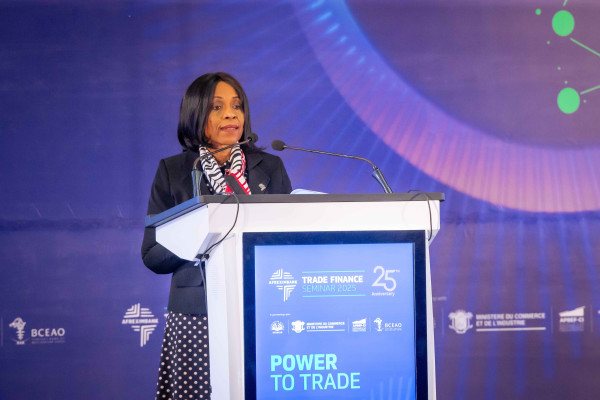
Afreximbank (www.Afreximbank.com) has highlighted the critical importance of factoring and supply chain finance (SCF) in narrowing Africa's Small and Medium Enterprises (SMEs) financing gap and building resilient value chains across the continent.
Speaking at Afreximbank's annual Factoring Workshop in Abidjan, Côte d'Ivoire, Mrs Kanayo Awani, Executive Vice President, Intra-African Trade and Export Development (IAED) at Afreximbank and Member of the FCI Executive Committee, noted that although Africa's factoring volumes have more than doubled in recent years, increasing from €21.6 billion in 2017 to €50 billion in 2024, and with nearly 200 factoring companies now operating across the continent, current activity still remains significantly below Africa's transformative potential.
She said: “Although SMEs account for more than 90% of Africa's businesses and over 60% of employment and GDP, they continue to face a financing gap estimated at US$300 billion annually.
“To catalyse SME-led growth, Africa must scale factoring volumes to at least €240 billion, equivalent to about 10% of the continent's GDP. Achieving this will require increased financing, deeper legal reforms, expanded training and strong industry partnerships.”
Also speaking at the workshop, Mr Neal Harm, Secretary General of FCI, said that factoring and supply chain finance are critical to unlocking SME growth in Africa, calling for practical solutions, strong partnerships, and collaborative action to turn the day's discussions into tomorrow's transactions.
Representing Dr Jean-Claude Kassi Brou, Governor of the Central Bank of West Afircan States (BCEAO), Mr. Charlie Dingui, Special Advisor to the National Director stressed the importance of SME financing for driving socio-economic development across UEMOA member states.
“By enabling businesses to convert their accounts receivable into immediate liquidity, factoring improves cash flow and stimulates growth, particularly in environments marked by long payment delays and collection challenges,” said Mr Dingui.
Côte d'Ivoire presents a significant opportunity to boost economic development by expanding its factoring market. The country's factoring and supply chain finance sector is estimated to have a potential of US$5 billion, a notable prospect in an economy where the cocoa sector alone supports millions of livelihoods. Yet, only 12% of SMEs currently seek working capital from formal financial institutions, relying instead on informal sources largely due to high financing costs, perceived SME risk, strict loan requirements, and slow approval processes.
The annual Factoring workshop is part of Afreximbank and FCI's long-standing commitment to expanding awareness and strengthening technical expertise on factoring and supply chain finance, key enablers essential to advancing the implementation of the African Continental Free Trade Area (AfCFTA).
To date, more than 5,000 delegates have been trained through over 25 capacity-building initiatives. Training is available through the Certificate of Trade Finance in Africa (COTFIA), the Afreximbank Academy (AFRACAD), FCI's online and bespoke factoring training programmes, and the FCI Mentoring Programme.
Distributed by APO Group on behalf of Afreximbank.Media Contact:
Vincent Musumba
Communications and Events Manager (Media Relations)
Email: press@afreximbank.com
Follow us on:
X: https://apo-opa.co/4q2reWm
Facebook: https://apo-opa.co/3YiPAyY#
LinkedIn: https://apo-opa.co/3XMOefM
Instagram: https://apo-opa.co/4oCyXJj
About Afreximbank:
African Export-Import Bank (Afreximbank) is a Pan-African multilateral financial institution mandated to finance and promote intra- and extra-African trade. For over 30 years, the Bank has been deploying innovative structures to deliver financing solutions that support the transformation of the structure of Africa's trade, accelerating industrialisation and intra-regional trade, thereby boosting economic expansion in Africa. A stalwart supporter of the African Continental Free Trade Agreement (AfCFTA), Afreximbank has launched a Pan-African Payment and Settlement System (PAPSS) that was adopted by the African Union (AU) as the payment and settlement platform to underpin the implementation of the AfCFTA. Working with the AfCFTA Secretariat and the AU, the Bank has set up a US$10 billion Adjustment Fund to support countries effectively participating in the AfCFTA. At the end of December 2024, Afreximbank's total assets and contingencies stood at over US$40.1 billion, and its shareholder funds amounted to US$7.2 billion. Afreximbank has investment grade ratings assigned by GCR (international scale) (A), Moody's (Baa2), China Chengxin International Credit Rating Co., Ltd (CCXI) (AAA), Japan Credit Rating Agency (JCR) (A-) and Fitch (BBB-). Afreximbank has evolved into a group entity comprising the Bank, its equity impact fund subsidiary called the Fund for Export Development Africa (FEDA), and its insurance management subsidiary, AfrexInsure (together, "the Group"). The Bank is headquartered in Cairo, Egypt.
For more information, visit: www.Afreximbank.com
Africa No Filter announces inaugural Council as it expands its reach on the continent and beyond

It takes a village to shift a narrative — and Africa No Filter's (https://AfricaNoFilter.org) village just got stronger.
Africa No Filter (ANF) today announced the formation of its inaugural Council: a collective of eight highly respected leaders whose expertise spans media, finance, philanthropy, law, advocacy and research. Their appointment signals a new chapter for the organisation, which is now an independent, African-led and registered entity in Mauritius after five years as a U.S-based project.
The ANF Council brings together people who have not only excelled in their fields, but who Moky Makura, Executive Director of Africa No Filter, deeply admires for the way they show up for the continent.
“Narratives shape everything, from policy and reputation to investment and opportunity,” Makura says. “As Africa No Filter steps into this new era of independence, this Council strengthens our governance and sharpens our strategic direction. These are people who understand the stakes, believe in Africa's potential and are committed to ensuring that Africa tells its own, more truthful story.”
Over the last five years, Africa No Filter has committed more than US$7.5 million to the African creative and media ecosystem, supporting storytellers, researchers and platforms that challenge reductive, outdated portrayals of the continent.
Its work has attracted some of the world's most influential funders, including the Gates Foundation and the Mastercard Foundation, alongside its founding funders - the Ford Foundation, Luminate and the Hilton Foundation, Hewlett Foundation, and Mellon Foundation - who continue to support ANF's mission to shift global narratives about Africa.
At this pivotal moment, the Council will serve as a strategic sounding board and leadership body, strengthening governance, accelerating impact and expanding the organisation's reach on the continent and beyond.
The members of the 2025 Africa No Filter Council are:
Richard Addy — a multi-award-winning strategist and co-founder of international audience strategy consultancy AKAS, recognised as one of the world's Top 100 media experts.
Nousrath Bhugeloo — a seasoned senior executive in financial services and Executive Director and Chairperson at Nexus Global Financial Services.
Yacine Djibo — Founder and Executive Director of Speak Up Africa, whose advocacy has reshaped policy conversations on health, sanitation and sustainable development across the continent.
Ferdinand Mokete — Director at KPMG South Africa and MBA lecturer at Wits Business School, representing the next frontier of African economic leadership and governance excellence.
Françoise Moudouthe — CEO of the African Women's Development Fund and founder of Eyala, an online platform amplifying African feminist voices.
Nicolas Pompigne-Mognard — Franco-Gabonese entrepreneur and founder of APO Group, an award-winning pan-African communications consultancy and press release distribution service, listed among the Top 100 Most Influential Africans in 2023 and 2024.
Anshi Saminaden — Senior Legal Counsel at the African Leadership University, renowned for her leadership in institutional governance, negotiation and investment management.
Natasha Kofoworola Quist — Founder of Quest Advisory Africa, with over 25 years' experience spanning humanitarian work, conservation, philanthropy and the private sector.
Each member brings a distinct lens, yet all share a common conviction: that Africa's story must be told more fully, more fairly and by Africans themselves.
Yacine Djibo believes the future narrative must finally reflect reality — “a continent of creativity, innovation and possibility, where African voices define the story and inspire confidence, investment and ownership from within and beyond the continent.”
For Nicolas Pompigne-Mognard, countering stereotypes is not only ethical, but strategic. By promoting authentic stories of progress, he says, “the media can unlock investment and help transform Africa's economic prospects.”
Anshi Saminaden echoes this, pointing to the power of authentic storytelling to “direct investment and support to where they are most needed, unlocking Africa's human power and transformation.”
Nousrath Bhugeloo noted that strong governance is part of how Africa tells its story, and that ANF's commitment to building resilient, African-led institutions is as important as the narratives it amplifies.
With strengthened governance, expanded continental expertise and a growing global footprint, Africa No Filter's transition to an independent entity marks far more than an organisational change. It is a statement of intent: a new era in which Africa commands its own narrative, on its own terms.
Distributed by APO Group on behalf of Africa No Filter.Enquiries: Lerato@africanofilter.org
About Africa No Filter:
Africa No Filter is an advocacy organisation dedicated to shifting stereotypical narratives about Africa by supporting storytelling that reflects a dynamic continent of progress, innovation and opportunity. It exists to counter narratives that reduce Africa to poor leadership, poverty, corruption, disease and conflict, and to amplify more accurate, balanced and empowering stories. For more information, visit www.AfricaNoFilter.org.
Protecting the game: Fighting piracy to keep African football alive

On the evening of 21 December 2025, a football match will kick off between Morocco and Comoros in Rabat. It will be the opening game of the 35th edition of the TotalEnergies CAF African Cup of Nations (TotalEnergies CAF AFCON) tournament. The game will have an audience of millions.
There will likely be a full house of 68,000-odd fans at the Prince Moulay Abdellah Stadium, but the overwhelming majority of fans will watch the game via streaming and television, from across the African continent – and the world.
At the previous TotalEnergies CAF AFCON tournament in 2024, the semi-final match between South Africa and Nigeria had a record-breaking audience (https://apo-opa.co/4rJl26Z) of 10.3 million. The tournament itself had an estimated cumulative total viewership of 1.4 billion TV viewers.
The sale of broadcast rights to reach this enormous audience provides the income that makes the tournament possible. Media businesses invest billions in securing the feed for their home markets. In sub-Saharan Africa, those rights (https://apo-opa.co/4iGjuXm) have been secured by MultiChoice, a CANAL+ company, through SuperSport, its sports broadcasting affiliate.
Beyond rights payments, media investment sustains an entire economy that runs for the duration of the month-long tournament. Film crews, accommodation, logistics, and catering are hired by broadcast teams.
Media funds football
Broadcast licence fees also finance the Confederation of African Football (CAF) itself, the body that administers football on the continent. In many ways, media coverage funds football. Revenue from broadcast rights underpin the development programmes that find talent at youth level, and help to nurture it.
Media income funds infrastructure that makes football possible – the fields, the kits, the match officials, the transport, the administrators. At the top level, media income funds national teams, the coaching teams, and the elite training camps, so they can attend the continental showpiece, where they carry hopes and dreams of their nations.
However, the entire football edifice is a precarious one, heavily dependent on the ability of official media partners to recoup the multi-million-dollar costs of broadcast rights. If broadcaster income from subscriptions, contracts and pay-per-view sales does not cover rights fees, then ultimately, football dies.
Only large media businesses, with the advantage of regional scale, are able to fund the costs of media sports coverage. Perversely, their business model is threatened because the same sports events they bring to their viewers are prime targets of content piracy.
Viewers might not see the harm of accessing a pirate stream, but the impact runs deep. Where a subscription paid to a legitimate rightsholder would help to fund African football, any income earned by a pirate stream goes directly to criminal syndicates in other parts of the world.
Content piracy undermines football. It robs football associations of the funding they desperately need to survive, to develop youth structures and to compete at the highest level. It's therefore critical that sports fans understand the damage they do to the sport they supposedly love when they use pirate streams.
The impact is global. In Spain, LaLiga (https://apo-opa.co/4oC1TRL) reported that audiovisual fraud was costing Spanish football €600 and €700-million. In the UK, the Premier League blocked more than 600,000 illegal live streams (https://apo-opa.co/4pt6VRU) in a single season in its fight against piracy.
Pirate websites also place users at risk, exposing them to malware, hacking and identity theft, as well as unwanted pop-ups, viruses, fraud and adult content. When football content is spread across hundreds of thousands of sites, it also becomes harder to measure audiences, and makes the sport less attractive to sponsors.
Fight to save the game
Helping to fight sports piracy and keep football alive are initiatives such as Partners Against Piracy, which work to strengthen legal frameworks to prosecute pirate sites and pirate users, and to educate fans about the consequences of piracy.
Cybersecurity organisations like Irdeto harness tech and digital solutions (https://apo-opa.co/4aB6nog) to protect streams and track the source and the users of pirate feeds. For instance, a new innovation enables continuous renewal of authentication keys, which degrades the pirate experience and shifts users back to legal platforms.
The best partner in the fight to save football from piracy is the African public. Knowing how piracy destroys the football ecosystem empowers fans to make ethical choices in how they support their sport and makes them more likely to access games through legitimate channels.
As a fan, when you watch football content, the choice is yours: Will you be part of destroying football, or building it up? Choose wisely, the future of your sport depends on it.
- To report content piracy, contact Partners Against Piracy on any of these channels:
- International Hotline: +27 11 289 2684
- piracy@multichoice.co.za
- mcg@irdeto.com
- supersport@irdeto.com
- Visit: https://apo-opa.co/44KEGpm
Tanzania: Crackdown Ahead of Planned Protests
Download logo
Tanzanian authorities have wrongfully arrested alleged protest organizers and opposition supporters ahead of nationwide protests called for December 9, 2025, Human Rights Watch said today. The government should end its crackdown and immediately release all those arbitrarily detained.
Activists have urged people to demonstrate peacefully on Tanzania's Independence Day, known as D9, against the police use of lethal force around the October 29 general elections. The government cancelled the official Independence Day celebrations after President Samia Suluhu Hassan directed that funds for the celebration be used to restore infrastructure damaged during the election unrest. On December 3, police announced that they were arresting people who commit “online offenses” and have been “closely monitoring” social media calls for protests.
“The Tanzanian government is building on the alarming climate of fear that prevailed prior to the elections to deter further protests,” said Oryem Nyeko, senior Africa researcher at Human Rights Watch. “The authorities should end their crackdown and respect the right of Tanzanians to peacefully express their views.”
Since mid-November, the police have confirmed the arrest of at least 10 activists and political opposition supporters for online posts connected to the planned protests. In several cases, the police confirmed the arrests days after social media posts began circulating that unidentified people in civilian clothes had abducted the suspects.
On November 13, the police announced that that they had arrested Ambrose Leonce Dede in central Tanzania's Ikungi district. They accused him of “organizing and promoting crime through a WhatsApp Group … under the umbrella of peaceful protests.” The police identified Dede as a member of the Chama cha Demokrasia na Maendeleo (Chadema), the main opposition party, and warned citizens to “avoid engaging in online communication groups run by people who have planned and continue to plan to commit crimes in the country under the guise of peaceful protests.”
On November 19, police in Geita confirmed that they were holding Kibaba Furaha Michael, a hospital worker and an administrator of a Tanzania doctors' union WhatsApp group, two days after he was reported missing. A person familiar with the case told Human Rights Watch that the arrest appeared to be connected to posts Michael had made in the group encouraging participation in the forthcoming demonstrations.
On November 21, the police in Mbeya arrested Clemence Mwandambo, a teacher known for criticizing the government online, and accused him of circulating “provocative” messages on Facebook and Instagram.
On November 28, police confirmed that they were holding Winfrida Charles Malembeka on allegations that she had published “inflammatory information” and was “inciting violence and protests” for December 9 through social media. The police did not specify the content or platforms.
The authorities have ramped up arrests of Chadema supporters ahead of the protests without apparent legal basis.
On November 21, police announced that they were detaining Victoria Swebe, the Chadema chairperson for Kyela district, along with three others, on suspicion of “incitement.” Swebe had been reported missing three days earlier. Chadema reported that another party member, Shabani Mabala, was abducted on November 29 by individuals who identified themselves as police officers. On the same day, Chadema reported that police arrested another party supporter, Lucy Shayo, in Tanga, and was holding her without charge.
Prior to the December 9 protests, the authorities appear to have intensified digital harassment and surveillance of activists, Human Rights Watch said.
On November 12 at around 9 p.m., police raided a hotel in Dar es Salaam and confiscated laptops, phones, and identity cards belonging to staff of the Legal and Human Rights Center while they were working at the hotel. The officers told the staff to report to the Zonal Crimes Office in Dar es Salaam the following morning, where their items were returned. A lawyer familiar with the case said that the police questioned the staff about allegedly conducting research on election violence.
The technology company Meta reported in its December Content Restrictions report that it had removed and restricted access to content in Tanzania following a request from the Tanzanian Communications Regulatory Authority to restrict access to three Instagram accounts for allegedly violating Tanzanian law. Meta said the items included “calls for peaceful protests and contained criticism of the government during the election period.”
On November 28, the United States embassy in Dar es Salaam issued a statement warning US citizens that “security forces have searched electronics for evidence of connection to unrest or politically sensitive content.”
Several regional and global bodies, including United Nations human rights experts, as well as Human Rights Watch, have raised concerns about extrajudicial killings, enforced disappearances, and mass arbitrary detentions of protesters, opposition figures, and civil society activists following the elections.
On November 18, the Office of the President announced the formation of an independent commission, consisting of former state officials and retired civil servants to “investigate events that led to the breach of peace during and after the general elections.” The commission contains no members of civil society or the political opposition. On November 29, President Hassan asked the commission to investigate who had paid “those young people who took to the streets to demand rights.”
The government should reconsider the mandate of the commission, take steps to impartially ensure accountability for allegations of election-related killings, beatings, and assaults by security forces and unidentified persons, ensure broad participation in investigations, and hold those responsible accountable, Human Rights Watch said.
Both Tanzanian and international law guarantee freedom from arbitrary arrest and detention and protect everyone's right to freely express opinions, associate, and peacefully assemble without any undue restrictions. Regional bodies, including the African Union Peace and Security Council and the African Commission on Human and Peoples' Rights, should urge the Tanzanian authorities to uphold these obligations, end the harassment of critics, and cooperate with independent, rights-focused inquiries into post-election abuses.
“It's vitally important at this critical time for the Tanzanian authorities to focus on ensuring justice and accountability for the many serious rights violations following the elections,” Nyeko said. “Anything short of this will be a disservice to the many victims and to all Tanzanians' fundamental rights.”
Distributed by APO Group on behalf of Human Rights Watch (HRW).South Sudan police officer turns United Nations Mission in South Sudan (UNMISS) training into real results for victims of crimes in Bor
Download logo
“The thin line between justice denied and justice served is determined by investigation.”
This simple but profound statement by warrant officer, Michael Dhieu Malual, perfectly captures how he has harnessed the power of newly developed investigation skills into meaningful outcomes for victims of crime in Bor.
After receiving five-days of specialized training by United Nations police officers serving with the peacekeeping mission in South Sudan, he was able to successfully deliver justice for victims of an armed robbery.
It was in the middle of the night when an offender broke into the victim's home, threatening the residents with a gun, and running off with a bag full of clothes and other belongings.
“The residents informed the police about the crime, and we cordoned off the scene before marking, photographing and packaging the evidence,” recalls warrant officer Dhieu. “A few days later, we found the perpetrator wearing the same clothes that he had stolen, and we were able to get these identified by the owner. We further investigated and were able to take the case successfully to court.”
This positive outcome was achieved with the support of the UN police who provided Dhieu and 30 others, including eight women, from the police force, riverine crime unit, traffic and criminal investigations teams with intensive training over a five-day period.
“We were able to absorb the importance of a meticulous approach to investigation, including how a single fingerprint, a careful interview, or a well-documented chain of custody can mean the difference between justice served and justice denied,” Dhieu explains.
The officers did a deep dive into the craft of criminal investigation, including securing crime scenes, recording evidence and interviewing victims, witnesses and perpetrators, and compiling case files for prosecution.
Beyond technical skills, officers also strengthened their understanding of legal frameworks guiding their work, the importance of respecting victim and offender rights, and the need for collaboration with prosecutors and other agencies.
They explored all aspects of crime from violence and theft to fraud, cybercrime, and environmental offenses and the different investigative approaches each requires, ranging from proactive tactics to reactive responses, forensic science, and community partnerships.
UN Police Commander, Mwewa Mervyn Musonda, stressed the importance of a collaboration approach to training where officers share their experiences, reflect on challenges, lessons learned and explore shared solutions for securing a safer South Sudan.
“Our mandate is to pass on the skills that we have learned through our experience in our respective countries so that our South Sudanese colleagues can be aware of domestic and international practices and processes,” he said.
As the participants return to their communities, the impact of this training will be measured in every case they investigate, every victim they assist, and every act of justice they help deliver.
Distributed by APO Group on behalf of United Nations Mission in South Sudan (UNMISS).Angola Launches New Gas Consortium (NGC) Project, Unlocking New Era of Non-Associated Gas Development
Download logo
Angola has officially launched its first dedicated non-associated gas project, the New Gas Consortium (NGC) Gas Treatment Plant in Soyo, marking a major milestone for the country's energy sector. Commissioned in November 2025, the onshore facility processes around 400 million standard cubic feet of gas per day and 20,000 barrels of condensate, sourced from the offshore Quiluma and Maboqueiro fields. The project represents a significant shift for Angola, moving beyond its historical reliance on oil and tapping standalone gas resources that can support a more diversified and resilient energy economy.
The African Energy Chamber (AEC) – as the voice of the African energy sector – strongly welcomes this achievement, viewing it as a transformative step for Angola and the continent. By developing non-associated gas, Angola is reducing its historical reliance on oil, creating jobs, building local skills and establishing a reliable supply of cleaner power. Thousands of Angolans were mobilized during construction and commissioning, with over 4,500 employed at the peak of activity and another 1,200 involved in fabrication and infrastructure, demonstrating how energy projects can deliver direct, tangible benefits to communities.
Gas from the Soyo plant feeds directly into the Angola LNG facility, supporting both exports and domestic power generation, as well as future industrial projects such as fertilizer production for agriculture. Operated by Azule Energy – a 50:50 joint venture between energy majors bp and Eni – alongside Cabinda Gulf Oil Company, Sonangol E&P and TotalEnergies, the $4 billion project reached full operations six months ahead of schedule, demonstrating efficiency, strong project management and Angola's growing capability to delivery large-scale, complex energy infrastructure.
The NGC project also strengthens Angola's position in the global natural gas market. Unlike associated gas produced alongside oil, non-associated gas is a standalone resource, offering long-term industrial and economic advantages while supporting cleaner energy production. The momentum in the country's gas sector continues with the recent discovery at the Gajajeira-01 exploration well in offshore Block 1/14. Announced in July 2025, this was the first dedicated gas exploration well in Angola and has revealed potential gas volumes exceeding 1 trillion cubic feet, along with up to 100 million barrels of condensate. Operated by Azule Energy with partners Equinor, Sonangol E&P and Acrep S.A., the discovery confirms the enormous potential of the Lower Congo Basin and underscores the value of Angola's non-associated gas strategy.
“Non-associated gas deposits guarantee additional production rather than relying solely on the gas that is associated with oil. The benefits are significant, as gas is in great demand in the international market, is less polluting than diesel and offers a competitive price. We believe that other developments like this will come along, which is promising for the Angolan people and the national economy,” stated Angola's President João Lourenço.
Echoing the President's enthusiasm for gas development in the country, Angola's Minister of Mineral Resources, Oil and Gas Diamantino Azevedo added that, “This is the first non-associated natural gas treatment production project in Angola. […] Angola established a modern, competitive and attractive legal and fiscal regime for the development of gas not associated with oil, definitively opening the door to structuring projects like this.”
For the AEC, the Soyo plant is a clear example of how Africa can take control of its energy future, executing complex projects efficiently while creating economic and social value. It highlights the continent's ability to responsibly develop its resources, deliver energy security and open new avenues for industrialization and sustainable growth. The Chamber applauds Angola, Azule Energy and all partners involved for achieving this milestone and setting a benchmark for non-associated gas development in Africa.
“Angola's first non-associated gas project marks a decisive moment for the country's energy future. It shows what is possible when bold leadership, strong partnerships and investor confidence align. This development will unlock new value, drive industrial growth and position Angola as a competitive force in Africa's evolving gas market,” states NJ Ayuk, Executive Chairman, AEC.
Distributed by APO Group on behalf of African Energy Chamber.New International Rescue Committee (IRC) data shows thousands of women and girls at risk as aid cuts cripple gender-based violence services in West Africa
Download logo
-
Across Burkina Faso, Mali, Niger and Nigeria, over 55% of gender-based violence (GBV) survivors supported in early 2025, have been left without continued access to essential, safe and confidential services for their recovery following broad funding cuts.
-
In Menaka, Mali, nearly 90% of survivors' cases are still waiting for full support.
-
In Burkina Faso, 52% of GBV cases remain unaddressed in the Sahel and North regions, with over 500 women and girls at risk of losing access to dignity kits, awareness sessions, and case management at the time of analysis.
-
In Nigeria, between 42% and 67% of GBV cases remain “open” following program closures across Borno, Adamawa, Katsina, and Zamfara States, leaving hundreds of women and girls without access to critical support.
-
In Niger, 26% of GBV cases in Diffa and Tillabéri are no longer being actively managed. In Balayera, IRC was the only actor providing protection services.
More than half of all survivors of gender-based violence (GBV) have lost access to critical support services following the initial complete suspension of essential funding in Niger, Burkina Faso, Mali, and Nigeria, according to data collected by the International Rescue Committee (IRC). As the protection gap widens, which leaves women and girls increasingly vulnerable to violence, isolation, and long-term harm, the IRC urges the international community of donor governments to significantly increase funding for organizations responding to GBV.
The abrupt suspension of case management, which came after large funding cuts in the first half of the year, deprived survivors of a vital service that had supported them from the moment they disclosed violence. Many had been accessing safe spaces where they could speak freely and receive life-saving medical care, psychosocial support, and legal assistance. Suddenly, survivors, many still grappling with ongoing trauma or threats, were left without anywhere to turn, their recovery interrupted, their choices curtailed, and their needs unmet.
Services shut down entirely for three to five months, depending on the country. Now, even as some programs have been brought back to partial operation, fewer than 55% of specialized GBV caseworkers have been rehired, meaning there is now limited coverage of GBV services in those locations.
Safiatou,* who lost access to IRC services for women at risk in eastern Mali, said:
“With the end of the project, I feel isolated. I keep my problems to myself because this project was special. It always gave us the opportunity to share our fears and concerns through listening sessions and awareness activities that addressed the challenges we face. The staff always responded to our concerns: they were like doctors to us girls.”
Yolande Longang, Women's Protection and Empowerment Technical Advisor for IRC in West Africa, said:
“When services were shut down, survivors were left in the dark. With urgent medical care and emotional support disrupted, survivors were left to endure their trauma in isolation. In contexts where access to comprehensive protection services including health, psychosocial, legal, and community-based support is largely limited or unavailable, their suffering remained invisible and unaddressed.
And when services finally resumed, in some locations, they were a shadow of what was needed. Even GBV case management was only partially restored, and support was limited to the most critical cases, those involving clinical management of sexual assault or imminent risk to life. This left countless survivors without the help they urgently needed, including girls at risk of child marriage and women experiencing intimate partner violence.”
GBV frontline workers were confronted with cases where survivors accessed services with significant delays; this is particularly troubling in cases of sexual assault, with GBV responders unable to provide the essential care within the critical 72-hour window following the assault. In regions where the IRC was the primary or sole provider of GBV services, the suspension has left a dangerous vacuum. With limited coverage and resources from alternative actors, many communities now rely on under-resourced local mechanisms that struggle to meet the demand for essential GBV support.
As humanitarian actors face severe funding cuts, administrative barriers, and security constraints, many open cases are left without follow-up care. Community-based organizations, though trained, lack the resources to fully assume service delivery, and government structures are too under-resourced to absorb the growing caseload.
Without urgent action to restore funding or mobilize alternative support, hard-won gains - from having appropriate levels of staffing to respond to GBV to working with communities to see GBV as a rights violation and women and girls as equal actors - risk being reversed. Operating within a broader ecosystem of humanitarian services, continued reductions in foreign aid are placing unprecedented strain on local organizations and decentralized systems already operating at their limits.
Urgent and sustained funding is essential to support GBV response organizations, including local organizations, to help close the widening gap in resources needed to protect women and girls. At the same time, it is essential to strengthen local structures and systems that provide vital support to survivors. In this world of hyper-prioritization in humanitarian response, we remind all actors that GBV prevention and response are lifesaving services and must be included in all response plans.
Distributed by APO Group on behalf of International Rescue Committee (IRC) .Time Is Running Out to Close Continent’s Massive Infrastructure and Climate-Finance Gap – 2025 Africa Investment Forum Panel Warns

Senior policymakers, investors, and development finance leaders converged at the 2025 Africa Investment Forum Market Days on Thursday to tackle one of the continent's most pressing challenges: unlocking the capital required to meet surging infrastructure and climate demands.
The high-level panel, titled "Innovative Finance Instruments Powering Africa's Sustainable Transformation,” served as a clear call to action for adopting new approaches beyond conventional funding models and into a new era of investment.
Moderated by Boston Consulting Group's Partner and Managing Director, Zineb Sqalli, the session opened with a stark assessment: By 2050, Africa will add one billion people, more than half in cities, yet it invests only $75 billion of the $150 billion it needs annually for infrastructure.
The climate-finance gap is even wider, with the continent receiving just $30 billion of the $300 billion required each year. “This gap is massive, but it is also a great opportunity,” Sqalli said, highlighting the growth of blended finance, Islamic green bonds, diaspora vehicles and new infrastructure platforms.
Setting a determined tone, Dr Obaid Saif Hamad Al-Zaabi, Chairman of the Arab Authority for Agricultural Investment and Development, called for a fundamental shift in how food systems are financed.
With climate pressures and food insecurity rising across Africa and the Arab world, he called for treating the food-security value chain as a strategic asset class. “Climate change is no longer an environmental issue -- it is a financial risk on our balance sheets,” he warned.
Al-Zaabi advocated for expanded guarantees, sustainable finance instruments and specialised vehicles for smallholder farmers, whom he called the “engine” of Africa's food system. He further added that digitalisation, is vital to reduce information asymmetry and build investor trust.
On broader investment readiness, Amadou Hott, Chairman of the Africa Advisory Board of Vision Invest and former Senegalese Minister of Economy, said the continent's most severe bottleneck remains the scarcity of bankable projects.
“If we want to transform the continent, we need to multiply what we are doing today by 100 or even 150,” he said. Hott stressed the need for far stronger project-preparation capacity and pointed to currency risk as a major deterrent.
He urged African governments to mobilise more domestic capital - from sovereign wealth funds, pension assets and reserves -- much of which is currently invested offshore.
Dr Nasser Al-Kahtani, Executive Director of the Arab Gulf Programme for Development, emphasised that Africa cannot meet its development targets without deepening inclusive finance.
“Seventy percent of the food we eat comes from small farmers. They save the world, but cannot feed themselves,” Al-Kahtani said, urging blended-finance structures that shift countries “from grants to investment” while building equity for micro-entrepreneurs.
A private sector perspective on financing Africa's infrastructure gap was presented by Jacques Kanga, Director and Head of Finance at Algest Investment Bank. Kanga outlined how targeted financial instruments could be the key to mobilizing private capital and closing the continent's estimated annual $130 billion to $170 billion funding shortfall.
He identified infrastructure Special Purpose Vehicles that reduce sovereign and political risk, blended-finance structures that lower project costs, and diaspora-backed financing that taps into the $95 billion Africans abroad send home each year. According to Kanga these tools, reinforce transparency, governance and global investor confidence.
Ouns Lemseffer, Partner at Ashurst, highlighted progress across the continent, with several countries adopting advanced securitisation and sustainable-finance laws that enable project bonds, Sukuk, debt funds and innovative financing for electrification initiatives such as Côte d'Ivoire's Programme Électricité Pour Tous.
But she cautioned that progress remains uneven. “A sophisticated legal framework in one area is not enough,” Lemseffer said. “Policymakers need a holistic approach -- from investor rules to bankruptcy protection -- to fully open capital markets to long-term infrastructure investment.”
As the session closed the message from the high-level panel was definitive. Innovative finance is indispensable for Africa's future. Panelists converged on a unified vision where new financial instruments are central to mobilizing the scale of capital required to meet the continent's immense demographic, climate, and economic ambitions, effectively converting opportunities into transformative, investable projects across Africa.
Distributed by APO Group on behalf of African Development Bank Group (AfDB).Click here (https://apo-opa.co/4rnvNvP) for photos.
Contact:
Wilberforce Kwasi
Communication and External Relations Department
Email: media@afdb.org
Statement: Recommit and resource the power of women and girls to transform the Acquired Immunodeficiency Syndrome (AIDS) response
Download logo
This World AIDS Day comes amid deep uncertainty, and this year's theme, “Overcoming disruption, transforming the AIDS response”, is a clear call to action: the world must step up, not step back.
Gender inequality continues to fuel the AIDS pandemic. Today, 53 per cent of the 40.8 million people living with HIV are women and girls. In sub-Saharan Africa, adolescent girls are acquiring HIV at six times the rate of boys. Violence, unequal access to healthcare, and limited opportunities for leadership all contribute to this crisis—and women continue to bear the brunt of care and support responsibilities.
These inequalities are now deepening. Cuts in global funding threaten to reverse decades of progress, shrinking the very programmes and resources that protect and empower women and girls. But women living with HIV are not victims—they are advocates, leaders, and change-makers. Their voices must be heard, their rights upheld, and their leadership fully resourced.
Against this backdrop, UN Women continues to act. In 2024, we strengthened the leadership capacities of more than 35,000 women in 36 countries and expanded access to prevention and treatment through community-based services, including outreach and legal empowerment across Africa and Central Asia.
The Beijing+30 Political Declaration reaffirms its commitment to women's health as a critical area of concern of the Beijing Platform for Action and pledges to advance the health rights of all women and girls.
This World AIDS Day, let's recommit. We must reverse disinvestment, centre gender equality and human rights in the AIDS response, and maintain political will for prevention, care, and treatment. That means increasing domestic funding, ending violence, and supporting the networks of women whose leadership is transforming lives.
AIDS is not over—and neither is our fight. Now is the time to protect what we've achieved and push forward, together.
Distributed by APO Group on behalf of UN Women.