
Explore more Articles in
Malawi
African Development Bank Group-funded fisheries programme impacts two million people, drives economic transformation in 16 Southern African Development Community (SADC) countries
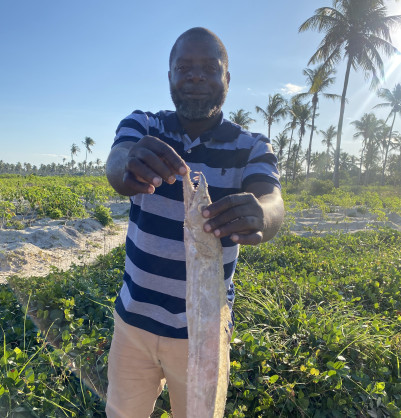

A regional initiative that has overhauled aquatic resource management and boosted cross-border fish trade is now improving the lives of nearly three million people across Southern Africa —raising fish production, consumption, and incomes.
The Program for Improving Fisheries Governance and Blue Economy Trade Corridors (PROFISHBLUE) (https://apo-opa.co/3Y8pOgL) has generated cross-border trade volumes exceeding 500,000 tonnes over the past four years, creating employment, strengthening food security, and building climate resilience across 16 SADC member states.
The initiative has built capacity for over 250,000 beneficiaries across seven African Development Fund (ADF) countries (Democratic Republic of Congo, Madagascar, Malawi, Mozambique, Tanzania, Zambia, and Zimbabwe) through various trainings, knowledge transfer programs, fish quality assurance equipment and tools, and refrigerated transport vehicles.
Training covered multiple areas, including fish value chain and post-harvest utilisation, business development and SME incubation, genetic improvement programs for endemic tilapia species, common standards and policy harmonization in collaboration with bureaus of standards and customs officers, nutrition and fish product development, and blue economy investment planning and financing mechanisms.
Further support was provided for fish stock assessments on transboundary lakes, vessel monitoring systems to deter illegal fishing, and training vessel inspection and fish catch statistics.
On World Fisheries Day on 21 November, the Southern African Development Community (SADC), the African Development Bank Group, and strategic partners gathered in Gaborone to celebrate these achievements and showcase how the project has transformed fish value chains and local consumer markets since its inception in 2022.
The $9.2 million grant initiative, funded through the African Development Bank's ADF 15, has successfully facilitated regional integration and economic development by improving fisheries governance and establishing sustainable blue economy trade corridors.
This year's World Fisheries Day aligned closely with PROFISHBLUE's multi-level governance and community-centered approach and measurable impact on fisheries communities throughout Southern Africa.
The gathering brought together government officials, development partners, private-sector representatives, and civil society stakeholders to chart a path forward for sustainable fisheries development in the region.
Transformative Impact Across the Region
"We are indebted to the African Development Bank Group for providing funding to implement this project within the Blue Economy space," said Director Domingos Gove on behalf of Angele Makombo Ntumba, SADC Deputy Secretary for Regional Integration. "This support has demonstrated our capacity to improve aquatic food systems for the benefit of over 380 million people in the region."
The project has successfully demonstrated that fishery resources can be managed sustainably, equitably, and resiliently in the face of climate change and external shocks.
"The PROFISHBLUE project has shown best practices in regional integration of blue economy trade corridors and cross-border fish trade," stated Neeraj Vij, African Development Bank's Regional Sector Manager for Feed Africa Operations for Southern Africa. "About 3 billion people rely on global supply chains for aquatic-sourced food, contributing $300 billion annually to the global economy. This project demonstrates how strategic investment in fisheries governance can create competitive value chains that provide jobs and livelihoods while eradicating extreme poverty, especially in rural areas."
Vij reaffirmed the African Development Bank Group's commitment to expanding support for blue economy initiatives across SADC Member States.
Key implementing partners include the Food and Agriculture Organization (FAO), the United Nations Industrial Development Organization (UNIDO), the Worldwide Fund for Nature (WWF), WorldFish, and the African Organization for Standardization (ARSO).
Director of Fisheries and Apiculture in Botswana's Ministry of Lands and Agriculture, Kagisanyo Bedi, commended the initiative for creating a crucial platform for learning and exchange of ideas among regional stakeholders in the region.
The celebration featured testimonials from women in fisheries who shared how the project has enhanced their livelihoods, underscoring the project's inclusive development approach.
"We embarked on an investment journey that few smallholder entrepreneurs would consider piloting technology in seaweed farming. We appreciate the opportunity..." said Hifadhi Hai, a project participant from Tanzania.
"This was echoed by a fish processor, Tamala Mtambo of the Twiyule Fish Cooperative, Malawi: "ProFishBlue supported us to turn fish processing into progress."
Distributed by APO Group on behalf of African Development Bank Group (AfDB).Media Contact:
Emeka Anuforo
Communication and External Relations Department
media@afdb.org
About the African Development Bank Group:
The African Development Bank Group is Africa's premier development finance institution. It comprises three distinct entities: the African Development Bank (AfDB), the African Development Fund (ADF) and the Nigeria Trust Fund (NTF). On the ground in 41 African countries with an external office in Japan, the Bank contributes to the economic development and the social progress of its 54 regional member states. For more information: www.AfDB.org
Africa sets course for affordable, quality medicines with new 10-year roadmap
Download logo
African leaders and global partners have agreed on a bold 10-year regional vision to redesign how essential health products are financed, produced, and delivered, marking a major step toward ensuring that everyone in the African Region can access affordable, quality-assured medicines and health technologies.
Meeting at the Blue-Sky Visioning and Think Tank Workshop in Johannesburg from 25 to 27 November 2025, policy-makers, technical experts, and development partners co-created the foundations of a Regional Strategy on Market Shaping and Supply Chain for Essential Health Products (2025–2035). This forward-looking strategy sets out 14 strategic pillars to renovate Africa's fragmented systems and build resilient, efficient supply chains that can withstand global shocks.
This strategy represents a paradigm shift from Africa's current fragmented and donor-dependent health product landscape to a coordinated, self-reliant system. Today, only 35% of essential medicines are available in public health facilities, and out-of-pocket spending can represent up to 90% of total health expenditures in some countries, leaving millions exposed to catastrophic costs. In several countries, such as Malawi, where external aid accounts for up to 65% of all health spending, the system remains highly vulnerable to sudden funding shocks. Donor investments are also heavily concentrated in a few vertical programmes: one-third of all health aid goes to HIV/STI control and 14% to malaria, while less than 1% supports noncommunicable diseases. A recent WHO assessment found that 56% of African countries are already facing shortages of essential products, including vaccines, tuberculosis medicines, neglected tropical disease treatments, and NCD supplies, with some facilities temporarily closing due to stock-outs.
The new regional strategy aims to revamp production and access by promoting local manufacturing, pooled procurement, and coordinated, shock-resistant supply chains. The 10-year roadmap prioritizes regional procurement platforms and strategic warehousing, mechanisms expected to reduce reliance on emergency imports, which proved inadequate during COVID-19 when 38 African countries urgently requested medical supplies.
The strategy also aligns with the African Medicines Agency (AMA) mandate and leverages the African Continental Free Trade Area (AfCFTA) to reduce or eliminate tariffs on locally manufactured health products. By fostering domestic resource mobilization and innovative financing tools such as debt-for-health swaps and health impact investment platforms, the strategy moves Africa away from donor-driven models toward sustainable, homegrown solutions.
“This meeting is about reimagining what is possible when African countries take the lead in designing resilient and self-reliant systems to deliver essential health products. We are building a future where no community is left behind due to stock-outs, inefficiencies, or unaffordable prices” said Dr Adelheid Werimo Onyango, Director for Health Systems and Services, WHO Regional Office for Africa.
Participants at the workshop applied a creative, “blue-sky thinking” methodology to tackle long-standing bottlenecks. Discussions explored innovative approaches to strengthen governance, improve financing, drive digital transformation, promote local production, modernize waste management, and enhance emergency preparedness, aying the foundations for a future-proof supply chain ecosystem.
The initiative aligns with major regional and global frameworks, including the African Union's Pharmaceutical Manufacturing Plan, the African Medicines Agency (AMA) mandate, the WHO Access to Medicines Roadmap, and Sustainable Development Goal 3.8 on universal access to essential medicines and vaccines.
“The European Union is committed to advancing equitable access to essential health products across Africa. By supporting this regional strategy, we are investing in resilient health systems, stronger supply chains, and sustainable solutions that safeguard health for all” said Bianca Baluta, Health Policy Expert, European Union.
Once finalized, the strategy will serve as a unified blueprint to strengthen market systems, expand access to affordable, high-quality health products, and reinforce Africa's health security for the decade ahead.
Distributed by APO Group on behalf of WHO Regional Office for Africa.Marriott International Enters the Democratic Republic of the Congo with the Opening of Two Hotels in Kinshasa

Marriott International (www.Marriott.com) has made its debut in The Democratic Republic of the Congo with the openings of Protea Hotel by Marriott Kinshasa and Four Points by Sheraton Kinshasa. The launch of these two distinct hotels introduces globally recognised brands to Kinshasa, offering tailored experiences for business and leisure travellers in one of Africa's most vibrant and strategically important capital cities.
Set along the Congo River, Kinshasa is a dynamic hub for diplomacy, regional trade, and the arts. With a population of over 17 million, the city offers travellers a compelling mix of culture, commerce, and connectivity - from its lively music and culinary scenes to its bustling markets and proximity to Central Africa's natural wonders.
“Entering The Democratic Republic of the Congo is a proud milestone for Marriott International as we continue to grow our footprint across Africa,” said Sandra Schulze-Potgieter, Vice President, Premium, Select & Midscale Brands, Europe, Middle East & Africa, Marriott International. “With the openings of Four Points by Sheraton Kinshasa and Protea Hotel by Marriott Kinshasa, we're excited to offer travellers and Marriott Bonvoy members two distinct ways to experience our trusted service and signature brand experiences in this dynamic market.”
Both hotels are managed by third-party management company SARV Management LLC.
“Working with Marriott International to bring world-class hospitality to the capital supports the city's growing appeal as a destination for business and leisure, while contributing to local employment and skills development. We believe these openings will play a meaningful role in strengthening the tourism sector and showcasing the vibrancy and potential of Kinshasa on a global stage,” said Karim Minsariya, Director, SAMAY Hospitality SARL, the ownership company for both hotels.
Protea Hotel by Marriott Kinshasa
Protea Hotel by Marriott Kinshasa (https://apo-opa.co/48evOe2) offers a unique stay that blends contemporary comfort with authentic local character and personalised service. Ideally situated in an upscale neighbourhood near the Congo River, the hotel is surrounded by government offices, corporate headquarters, and premium malls, and is just minutes from the city centre. Its 88 thoughtfully designed guest rooms — many with balconies and scenic views — are tailored to meet the needs of today's business, diplomatic, and leisure travellers, providing a welcoming base from which to explore Kinshasa.
The hotel's bright atrium lobby brings together natural light, local artwork, and greenery, offering a welcoming space that pays tribute to the building's former life as a school. Within this space sits the hotel's signature indoor pool, a first of its kind in the city, offering a serene retreat after a busy day. Guests can dine at Marché 15, an all-day restaurant celebrating international and local flavours, or unwind at the Lobby Bar, a relaxed space ideal for informal meetings and evening drinks. Additional amenities include a well-equipped fitness centre, and a 56-square-metre conference room designed for small meetings and private gatherings.
Four Points by Sheraton Kinshasa
Located in the heart of Kinshasa's central business district, Four Points by Sheraton Kinshasa (https://apo-opa.co/4pBfJou) offers 134 modern guest rooms. Whether travellers are visiting Kinshasa for work or fun, the hotel caters to their needs with its approachable design, and stylish comfort.
Reflecting the brand's signature style, the hotel offers today's independent travellers the Four Comfort Bed, fast and free Wi-Fi, and an energising start to the day with fresh coffee and breakfast options. After a productive day, guests can unwind over a meal at Lufira Restaurant, sip a signature cocktail at the stylish 83 Sky Lounge Bar, or enjoy a refreshing local beer on tap through the brand's Best Brews™ programme.
Additional amenities include a 24-hour fitness centre, and a rooftop outdoor pool with panoramic city views. Four Points by Sheraton Kinshasa also boasts approximately 230 square metres of meeting space across four rooms, each equipped with modern conference facilities and advanced audiovisual technology, making it a prime venue for corporate meetings, workshops, and social events.
Both Protea Hotel by Marriott Kinshasa and Four Points by Sheraton Kinshasa participate in Marriott Bonvoy®, Marriott International's award-winning travel programme. Members can earn and redeem points across an extraordinary portfolio of global brands, enjoy exclusive experiences through Marriott Bonvoy Moments, and unlock benefits such as free nights, mobile check-in, and Elite status recognition.
Distributed by APO Group on behalf of Marriott International, Inc..Media contact:
Birgit Deibele
Senior Director of Communications – Sub-Saharan Africa, Marriott International
Email: Birgit.Deibele@marriott.com
Protea Hotels by Marriott:
Protea Hotels by Marriott® is the leading hospitality brand in Africa and it is one of the most widely recognised brands on the continent with over 60 hotels across 10 countries including Angola, Botswana, The Democratic Republic of the Congo, Malawi, Namibia, Nigeria, South Africa, Tanzania, Uganda and Zambia. Protea Hotels by Marriott® is ideal for both business and leisure travellers by offering properties in primary and secondary business centres and desirable leisure destinations. Each hotel offers modern facilities, proactive and friendly service and consistent amenities such as full-service restaurants, meeting spaces, complimentary Wi-Fi, and well-appointed rooms, ensuring global standards for a high quality, relaxed and successful stay.
About Four Points by Sheraton®:
Four Points by Sheraton is a global brand with over 365 hotels in over 45 countries and territories. At Four Points, travel is reinvented where timeless classics are woven with modern details, paired with genuine service in a casual environment around the world. Four Points hotels can be found in the heart of urban centers, near the beach, by the airport, or in the suburbs. Each hotel offers a familiar place to kick back and relax with an authentic sense of the local, where guests can watch sports and enjoy the brand's Best Brews® program. Four Points is proud to participate in Marriott Bonvoy®, the global travel program from Marriott International. The program offers members an extraordinary portfolio of global brands, exclusive experiences on Marriott Bonvoy Moments (https://apo-opa.co/3Ma51H3) and unparalleled benefits including free nights and Elite status recognition. To enroll for free or for more information about the program, visit www.MarriottBonvoy.com. To learn more about Four Points, visit us online https://Four-Points.Marriott.com/.
Uganda Elected to Unido Industrial Development Board (IDB) 2025- 2027
Download logo
Uganda has been elected to the Industrial Development Board (IDB) of the United Nations Industrial Development Organization (UNIDO) for the period 2025- 2027 at elections conducted during the 21st UNIDO General Conference held in Riyadh, Saudi Arabia from 23rd to 27th November 2025.
The Industrial Development Board is composed of 53 Members and is responsible for reviewing implementation of UNIDO's work programme, the regular and operational budgets, and makes recommendations to the General Conference on policy matters, including the appointment of the Director-General. Uganda's Delegation to the General Conference was led by H.E. Isaac Sebulime, Ambassador of the Republic of Uganda to the Kingdom of Saudi Arabia and comprised of officials from the Uganda Permanent Mission in Vienna and the Ministry of Trade, Industry and Cooperatives.
In his address to the General Conference, Amb. Sebulime commended UNIDO for promoting inclusive and sustainable industrial development worldwide. He noted that Uganda is particularly interested in accelerating the country's national development agenda by using UNIDO's expertise in transformative partnerships, knowledge transfer, and agro-industrialization. ‘Uganda's focus on promoting innovation, improving productivity, and increasing the level of value addition from primary processing of raw materials to secondary and tertiary manufacturing of medium to high technology products for exports, aligns closely with UNIDO's mission', he added.
According to UNIDO, 125 million people worldwide depend on coffee for their livelihoods. Uganda is currently one of five countries (Uganda, Kenya, Malawi, Ethiopia, Tanzania) earmarked to receive assistance in the coffee value chain development through the UNIDO-Italy programme for Advancing Climate-Resilience and Transformation in African Coffee (ACT). The programme worth €15 million is aimed at improving the lives of the people at the beginning of the coffee supply chain by providing better jobs and better incomes for families and communities. The General Conference was held as the Global Industry Summit under 3 key thematic areas, namely: Investment and Partnership; Women and Empowerment; and Generation Future. The Session on Women Empowerment focused on the essential role women play in the economy and industry, and the importance of equal rights, equal access to education, training and finance, and equal opportunities in the workplace and in professional life.
Delivering the Key note address, Her Highness Princess Mashael Saud Al-Shalaan, founder of AEON Collective, highlighted the fast progress that has been made in Saudi Arabia's development and the significant progress made in providing equal opportunities for women - from equal pay to more female participation in STEM education. She emphasized that both equality and gender equity should be at the heart of industrial policy and called upon governments to truly listen to women's voices, ‘to understand their needs, recognize the barriers they confront, and support them in rewriting those stories - keeping what empowers them and changing what holds them back'.
During the General Conference, Nature Bio Foods, an Indian Company with operations in Uganda was announced winner of the UNIDO One World Sustainability Awards under the Category of Sustainable Supply Chains. The Award was received by Mr. Amit Singh, Sustainability Lead, who noted that one cannot talk about sustainability without talking about agriculture. Therefore, sustainability is about ‘how to increase the income of the farmers, how to reduce the cost of cultivation, and how take the farmers to the stage where they can grow and prosper.'
Nature Bio Foods is a Subsidiary of LT Foods, which is headquartered in India. The company opened a processing plant in Uganda in 2023 and is currently working with 16000 farmers involved in the production of soyabean, sorghum, chia seeds and sesame seeds for export.
Distributed by APO Group on behalf of The Republic of Uganda - Ministry of Foreign Affairs.