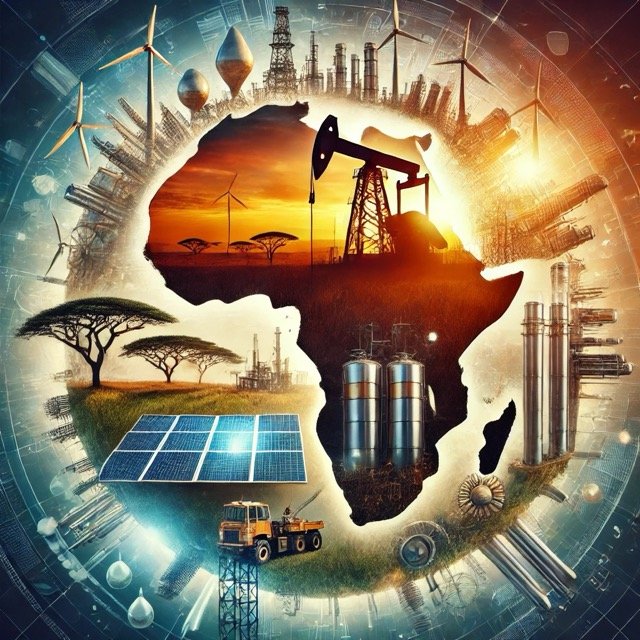
Africa is rapidly emerging as a significant player in the global energy landscape, driven by its abundant natural resources and innovative energy companies. The African energy company sector is pivotal in powering the continent’s economic growth, fostering sustainable development, and addressing the increasing energy demands of its burgeoning population. This article explores the role of African energy companies, highlights key players, examines innovations and sustainable practices, and discusses the economic and social impacts shaping Africa’s energy future.
The Importance of African Energy Companies
Africa is endowed with vast energy resources, including oil, natural gas, hydroelectric power, solar, and wind energy. The African energy company sector leverages these resources to provide reliable and affordable energy solutions across the continent. Energy is the backbone of any economy, and in Africa, it drives industrialization, enhances productivity, and improves the quality of life for millions of people.
Economic Growth and Development
Energy companies in Africa play a crucial role in economic growth by attracting investments, creating jobs, and stimulating related industries. Reliable energy infrastructure enables businesses to operate efficiently, supports manufacturing and technology sectors, and fosters innovation. As African economies diversify and expand, the demand for energy continues to rise, positioning African energy companies as key contributors to sustainable development.
Addressing Energy Access
Despite its rich energy resources, Africa faces significant challenges in providing universal energy access. Many regions still suffer from inadequate electricity supply, limiting educational, healthcare, and economic opportunities. African energy companies are at the forefront of bridging this gap by investing in infrastructure projects, expanding grid connectivity, and developing decentralized energy solutions to ensure that energy reaches every corner of the continent.
Leading Players in the African Energy Sector
Several African energy companies are making significant strides in transforming the energy landscape. These companies are not only harnessing traditional energy sources but also embracing renewable energy technologies to create a balanced and sustainable energy mix.
1. Sonatrach (Algeria)
Sonatrach is Africa’s largest oil and gas company, playing a pivotal role in Algeria’s economy. The company is involved in exploration, production, transportation, and marketing of hydrocarbons. Sonatrach’s strategic initiatives in renewable energy and international partnerships underscore its commitment to diversifying Algeria’s energy portfolio and enhancing sustainability.
2. Eskom (South Africa)
Eskom is South Africa’s primary electricity supplier, generating approximately 95% of the country’s electricity. As a key player in the African energy sector, Eskom is focused on expanding renewable energy sources, reducing carbon emissions, and improving grid reliability to meet the growing energy demands of South Africa and neighboring countries.
3. KenGen (Kenya)
Kenyatta National Power (KenGen) is Kenya’s leading electricity producer, specializing in renewable energy sources such as geothermal, hydro, wind, and solar power. KenGen’s innovative projects, including the Olkaria Geothermal Plant, position Kenya as a leader in geothermal energy development in Africa, contributing to sustainable and clean energy solutions.
4. TotalEnergies (Multiple African Countries)
TotalEnergies operates extensively across Africa, engaging in oil, gas, and renewable energy projects. The company’s commitment to investing in renewable energy and reducing its carbon footprint aligns with Africa’s goals for sustainable development and energy transition.
5. BPC (Bulk Power Company) (Zimbabwe)
Bulk Power Company is Zimbabwe’s main electricity producer, focusing on hydroelectric and thermal power generation. BPC’s efforts to modernize its infrastructure and incorporate renewable energy sources are vital for ensuring energy security and supporting Zimbabwe’s economic growth.
Innovations and Sustainable Practices
African energy companies are embracing innovative technologies and sustainable practices to enhance energy efficiency, reduce environmental impact, and promote renewable energy adoption.
Renewable Energy Projects
The shift towards renewable energy is gaining momentum in Africa, with companies investing in solar, wind, hydro, and geothermal projects. These initiatives not only diversify the energy mix but also reduce dependency on fossil fuels, mitigate climate change, and provide clean energy solutions to underserved communities.
Technological Advancements
Advancements in technology, such as smart grids, energy storage systems, and digitalization, are revolutionizing the African energy sector. These technologies enable better energy management, improve grid reliability, and facilitate the integration of renewable energy sources, ensuring a more resilient and efficient energy infrastructure.
Sustainable Development Goals (SDGs)
African energy companies are aligning their operations with the United Nations Sustainable Development Goals (SDGs), particularly Goal 7: Affordable and Clean Energy. By prioritizing sustainability, these companies contribute to global efforts in combating climate change, promoting economic growth, and enhancing social well-being.
Economic and Social Impact
The African energy company sector has profound economic and social implications, driving progress and improving lives across the continent.
Job Creation and Skill Development
Energy projects create numerous employment opportunities, from engineering and technical roles to administrative and support positions. Additionally, training and development programs enhance local skills, fostering a knowledgeable workforce capable of sustaining the energy sector’s growth.
Community Development
Many African energy companies engage in corporate social responsibility (CSR) initiatives, investing in education, healthcare, infrastructure, and community projects. These efforts improve living standards, support local economies, and build strong relationships between companies and the communities they serve.
Energy Security and Independence
By developing domestic energy resources, African countries can achieve greater energy security and reduce reliance on imported fuels. This independence enhances national sovereignty, stabilizes economies, and ensures a steady supply of energy to support ongoing development.
Challenges and Future Prospects
Despite significant progress, the African energy sector faces several challenges that need to be addressed to ensure sustained growth and development.
Infrastructure Deficits
Many African countries grapple with inadequate energy infrastructure, limiting their ability to harness and distribute energy effectively. Investments in modernizing and expanding energy infrastructure are essential for meeting current and future energy demands.
Regulatory and Policy Frameworks
Inconsistent regulatory and policy frameworks can hinder the growth of the energy sector. Establishing clear, supportive policies and regulatory environments is crucial for attracting investments, fostering innovation, and ensuring the smooth operation of energy projects.
Financing and Investment
Securing adequate financing remains a challenge for many energy projects in Africa. Public-private partnerships, international investments, and innovative financing mechanisms are needed to bridge the funding gap and support the development of sustainable energy initiatives.
Conclusion
The African energy company sector is a driving force behind the continent’s economic growth, sustainable development, and energy transition. Leading companies like Sonatrach, Eskom, KenGen, TotalEnergies, and BPC are at the forefront of harnessing Africa’s vast energy resources, embracing renewable energy, and implementing innovative technologies. As African energy companies continue to evolve, they play a vital role in ensuring energy access, promoting sustainability, and enhancing the quality of life for millions of people across the continent.
By overcoming challenges related to infrastructure, regulatory frameworks, and financing, African energy companies can unlock the full potential of Africa’s energy resources, paving the way for a prosperous and sustainable future. As the world increasingly turns towards clean and renewable energy, Africa is well-positioned to become a key player in the global energy transition, driving progress and innovation for generations to come.