


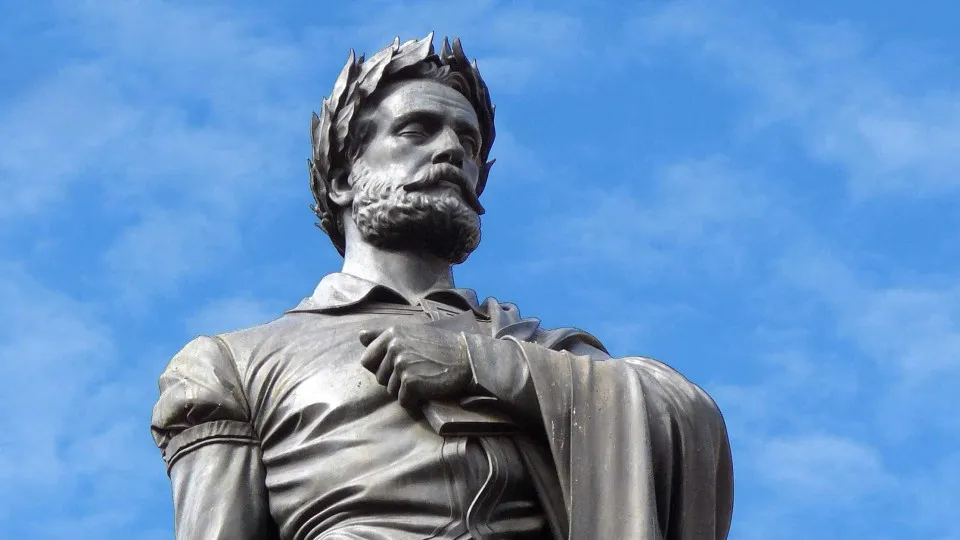
Discovering Camões: A Celebration of Literary Heritage at Folio in Óbidos
The world of literature is vast, and recent discussions at the International Literary Festival of Óbidos (Folio) have illuminated an intriguing aspect of cultural identity, literature, and education. Notably, Angolan writer and professor Ana Paula Tavares took center stage to address the somewhat overlooked legacy of the iconic Portuguese poet Luís de Camões in Angola and beyond. “No, Camões is not studied, not read, and is little known, except out of interest from some teachers or young individuals,” Tavares highlighted during a poignant discussion on ‘The Borders of Camões or Camões Without Borders.’
Tavares, the recent winner of the prestigious Camões Prize 2025, attributed this cultural shift largely to a significant change in Angola’s educational curriculum. Following independence, the focus rapidly turned towards fostering a distinctive Angolan and African identity in literature, emphasizing the works of local authors, such as Luandino Vieira and António Jacinto. “This initial investment targeted the knowledge and appreciation of Angolan and African narratives, naturally creating a distance from Camões’ contributions,” she explained.
Despite this educational landscape, Tavares pointed out that the literary fabric of Angola still finds threads of Camões woven in through certain authors. “Luandino Vieira has his readings of Camões in various stories, which allowed the Portuguese language to become enriched with influences from other national languages,” she noted. This intersection of narratives showcases how regional literature can evolve while still celebrating its roots.
At Folio, Tavares’s sentiments were echoed by fellow authors, including Orlando Piedade from São Tomé and Príncipe and José Luíz Tavares, who is engaged in the important work of translating Camões’ poetry into Cape Verdean Creole. Despite the fact that Camões doesn’t feature prominently in their educational frameworks, they acknowledge his poetic prowess as a “writer without borders,” emphasizing the significance of his influence across the Portuguese-speaking world.
Folio, now in its 10th edition, continues to engage audiences with its diverse lineup, which includes three Nobel Laureates in Literature this year alone, such as South Africa’s J.M. Coetzee and Belarusian Svetlana Alexievich. The festival, held in the picturesque town of Óbidos—a UNESCO Creative City of Literature—reflects a rich tapestry of voices and stories that celebrate both local and international literary culture.
As discussions about the literary heritage of figures like Camões flourish, there’s an exciting opportunity for both educators and readers to delve into the connections between past and present, local and global. Events like Folio underscore the importance of these conversations in shaping our understanding of literature’s rich landscape.
So, whether you’re a literature enthusiast or just curious about the narratives that shape our world, keep an eye on these literary gatherings that promise to enlighten and inspire. For more inspiring stories, follow Africazine and stay updated on the cultural pulse of Africa and beyond.
Tags: #WorldNews #Lifestyle #Politics #Tourism #AfricanLiterature #Education #CulturalHeritage